Peperomia
A compact, easy‑care plant with lush, decorative foliage
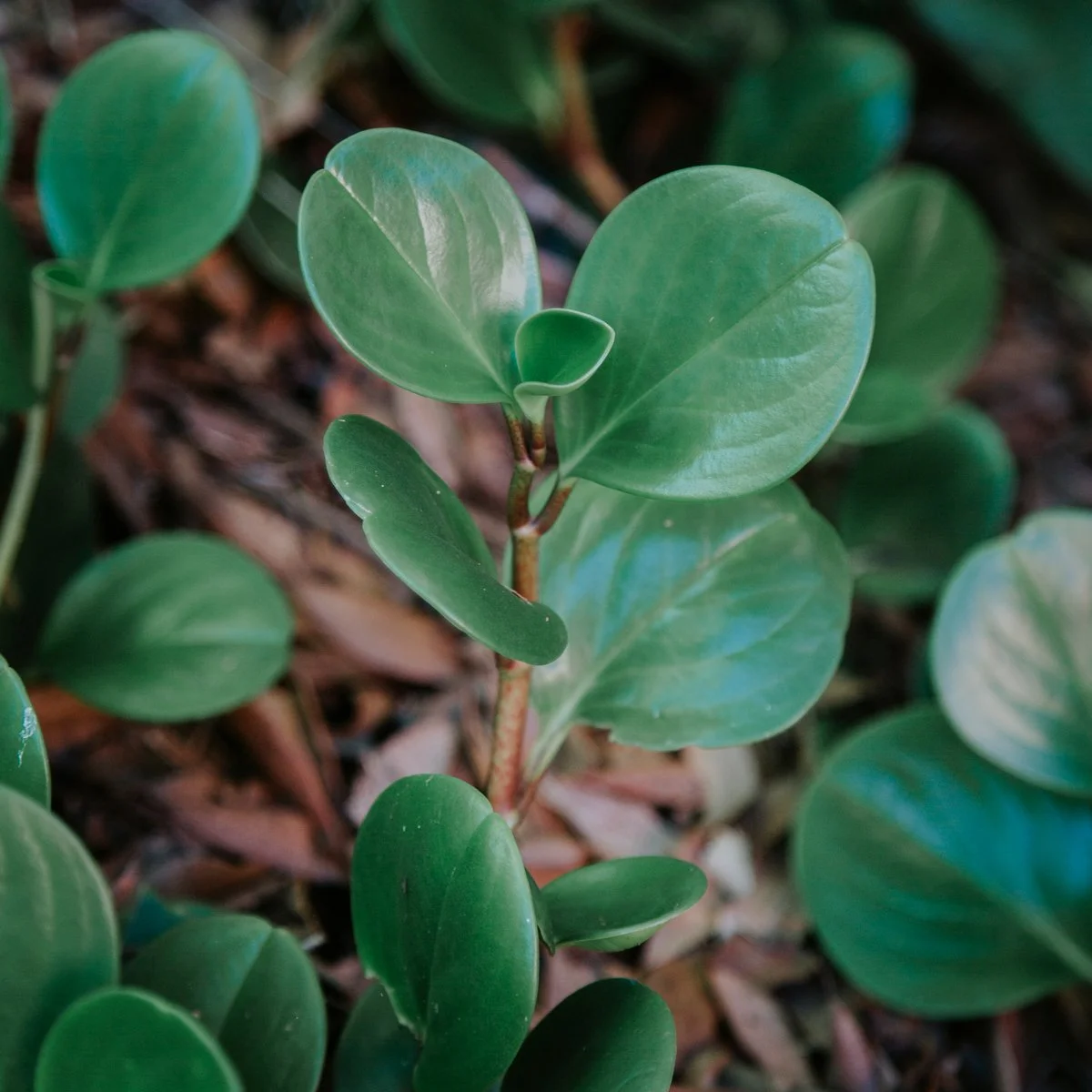
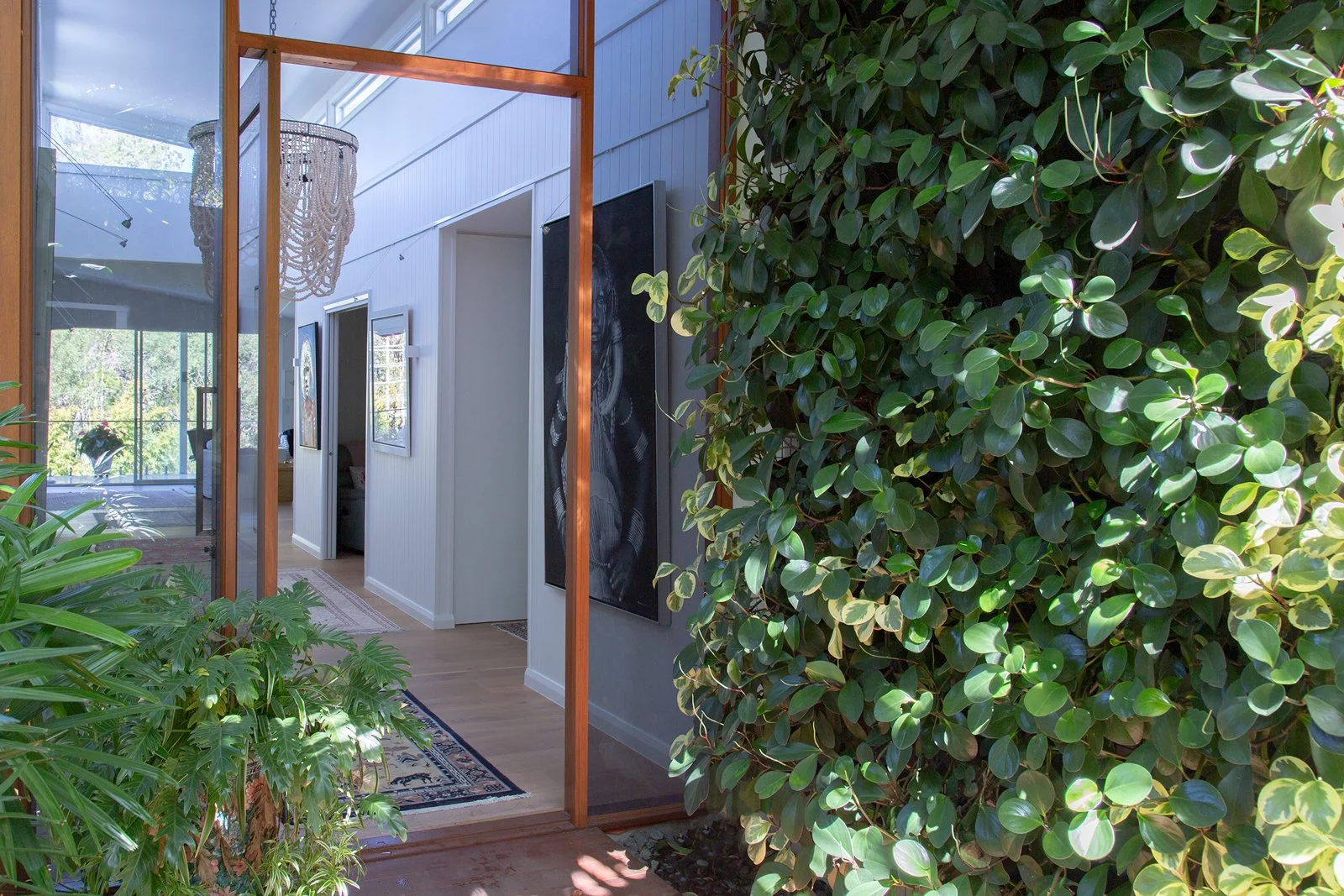
Peperomias are small, versatile plants prized for their attractive foliage and tidy growth habit. With their thick, textured leaves and compact form, they’re perfect for indoor styling, desktops, shelves, and small shaded garden pockets. In SEQ’s warm climate, they thrive with minimal care and add a fresh pop of greenery to any space.
🧬 Botanical Name
Peperomia spp. (various species and cultivars)
🪴 Common Names
Peperomia, Radiator Plant
📏 Size
Height: 15–30 cm
Width: 15–30 cm
Compact, clumping, and slow‑growing
☀️ Light Requirements
Indoors: Bright, indirect light
Outdoors (SEQ): Part shade to deep filtered shade
Avoid direct sun, which can scorch the leaves
🌱 Soil Needs
Free‑draining, airy potting mix
Ideal blend: premium potting mix + perlite + orchid bark
Prefers slightly dry, well‑aerated soil
💧 Watering
Allow the top 3–4 cm of soil to dry between waterings
Water sparingly — Peperomias store moisture in their leaves
Increase watering slightly in warm months
Signs of underwatering: droopy or curling leaves Signs of overwatering: mushy stems, yellowing leaves, root rot
🌿 Growth Habit
Compact, mounding form
Thick, fleshy leaves in a variety of colours and textures
Some varieties trail gently over pot edges
Excellent for small spaces and indoor styling
✂️ Maintenance Level
Very low
Remove any damaged leaves
Pinch tips to encourage bushier growth
Feed lightly every 6–8 weeks in spring and summer
🌤️ Seasonal Performance (SEQ)
Thrives year‑round indoors
Outdoors, prefers warm, sheltered, shaded positions
Protect from cold snaps below 10°C
⭐ Special Care Notes
Avoid overwatering — the most common issue
Loves humidity but tolerates normal indoor levels
Rotate occasionally for even growth
Great for terrariums and small decorative pots
🏡 Where It Works Best
Indoor shelves, desks, and benchtops
Shaded patios and verandas
Terrariums and small planters
Layered tropical arrangements in protected spots
🚫 Common Mistakes to Avoid
Overwatering → root rot
Direct sun → scorched leaves
Heavy, compacted soil → poor growth
Very low light → leggy, stretched stems