Philodendron Apple Congo
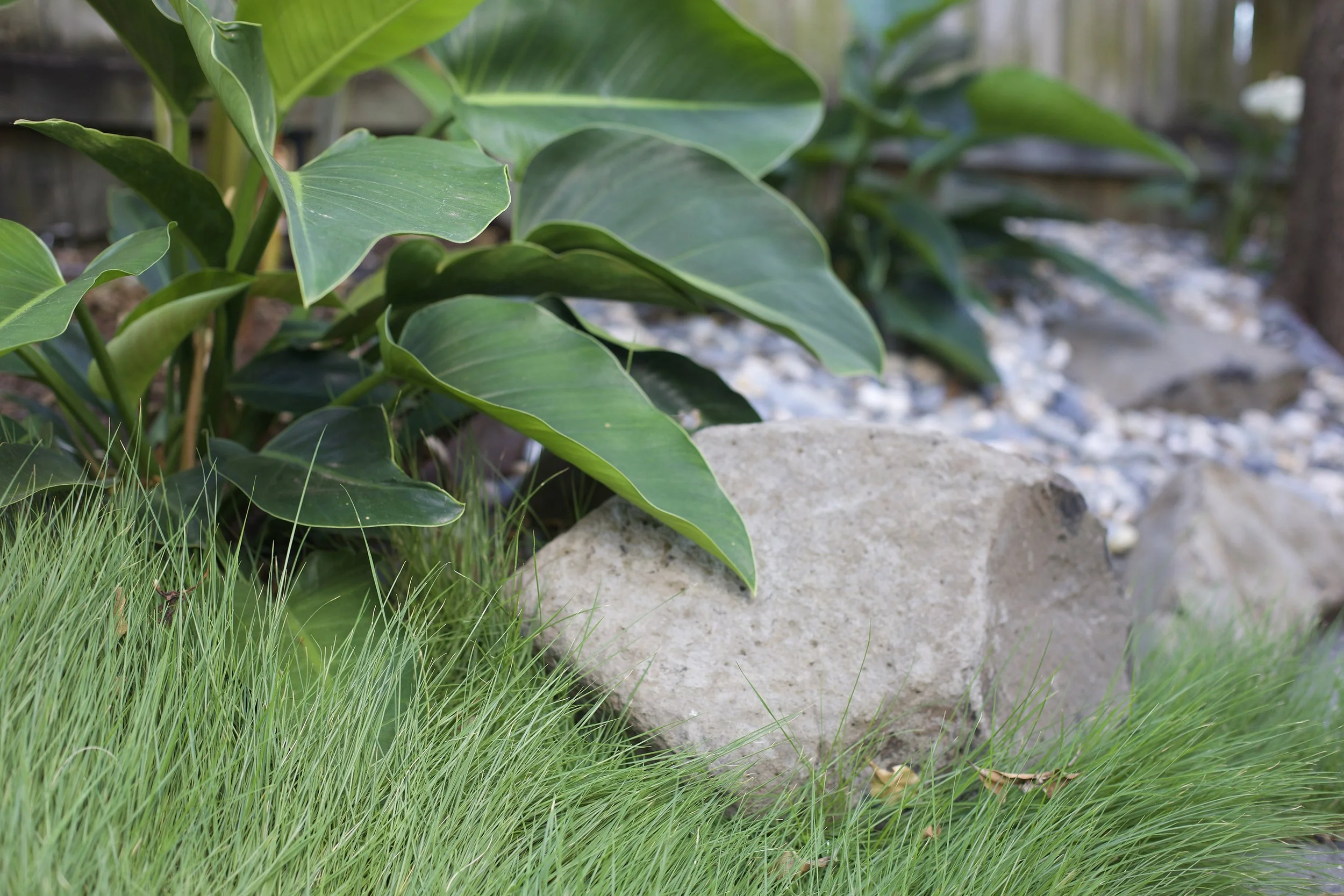
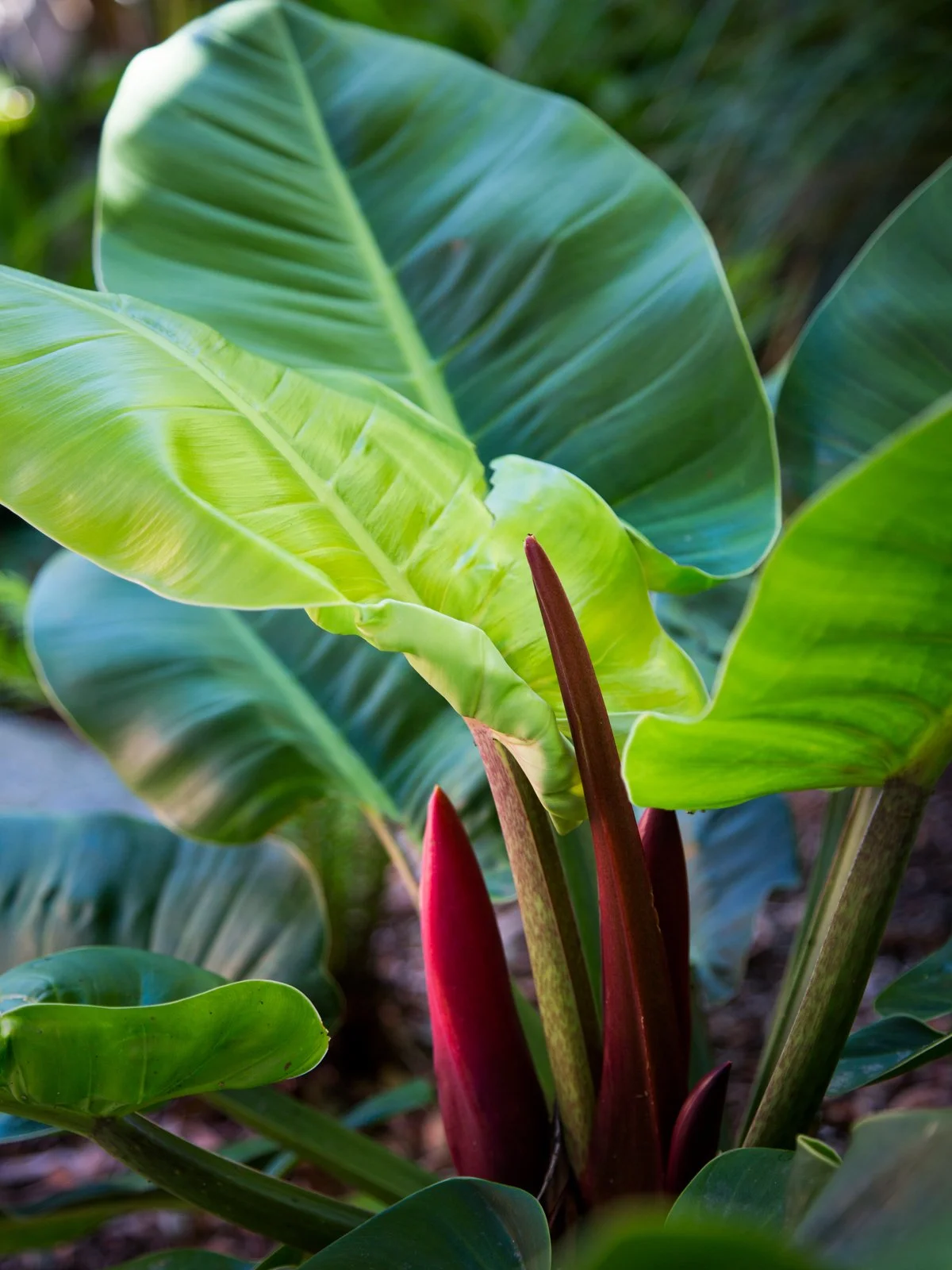
A vibrant, self‑heading philodendron with fresh, apple‑green foliage
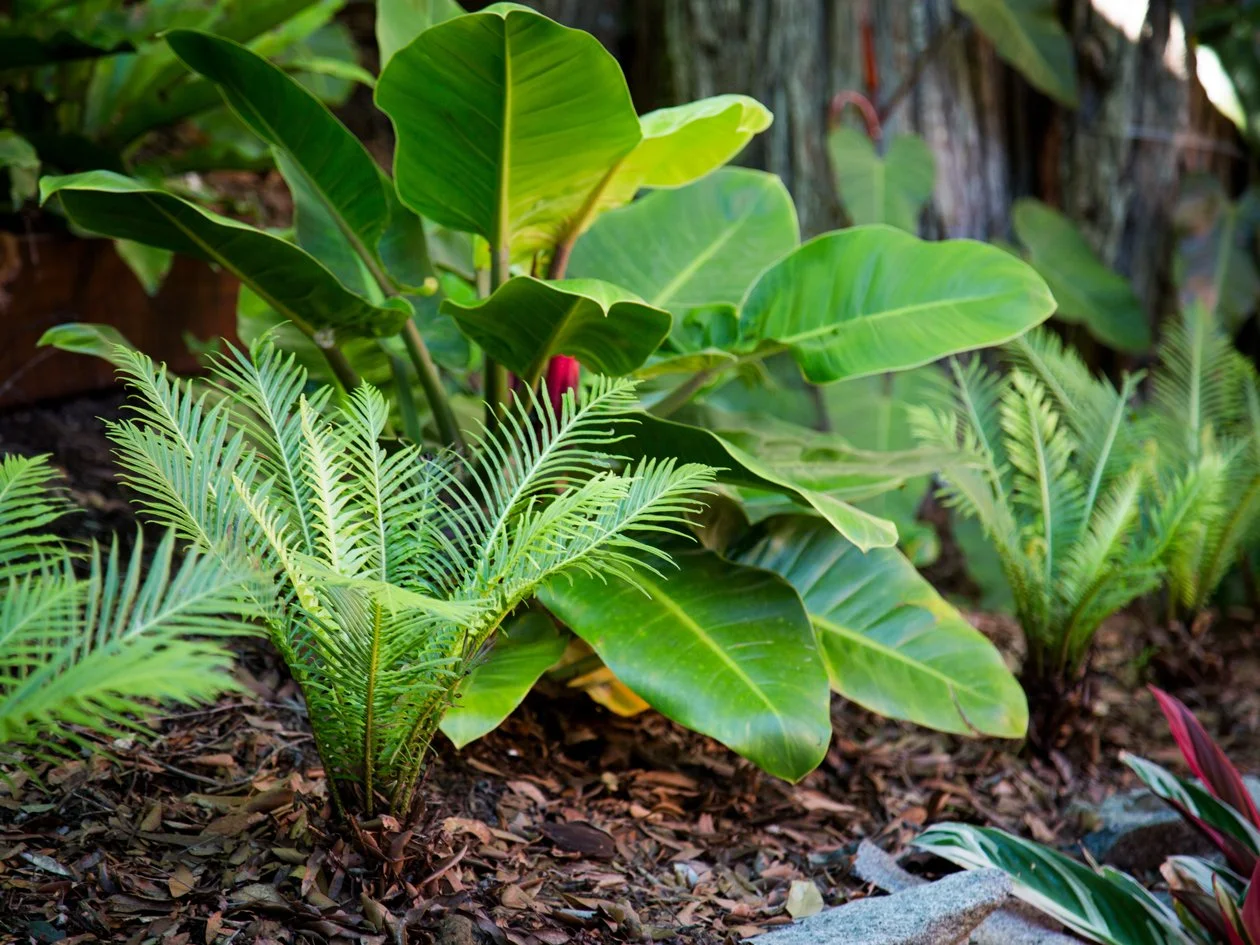
Philodendron Apple Congo is a bright, uplifting tropical plant known for its vivid lime‑green leaves and compact, self‑heading form. It brings a fresh, modern look to indoor spaces and shaded outdoor areas. In SEQ’s warm climate, it grows reliably with minimal care and adds a pop of colour to any tropical palette.
🧬 Botanical Name
Philodendron ‘Apple Congo’
🪴 Common Names
Apple Congo Philodendron, Green Congo Philodendron
📏 Size
Height: 80–120 cm
Width: 70–100 cm
Upright, clumping, and self‑supporting
☀️ Light Requirements
Indoors: Bright, indirect light
Outdoors (SEQ): Part shade to deep filtered shade
Avoid harsh direct sun, which can fade or scorch the leaves
🌱 Soil Needs
Free‑draining, chunky aroid mix
Ideal blend: premium potting mix + orchid bark + perlite
Prefers slightly acidic to neutral soil
💧 Watering
Keep soil lightly moist
Allow the top 2–3 cm to dry between waterings
Increase watering in warm months
Enjoys humidity — thrives naturally in SEQ
Signs of underwatering: droopy or curling leaves Signs of overwatering: yellowing leaves, soft stems
🌿 Growth Habit
Upright, clumping, self‑heading
New leaves emerge bright apple‑green
Creates a full, lush, sculptural form without needing a stake
✂️ Maintenance Level
Low
Remove older yellowing leaves
Wipe leaves to maintain shine
Feed every 4–6 weeks in spring and summer
🌤️ Seasonal Performance (SEQ)
Thrives year‑round in subtropical humidity
Strongest growth from spring to early autumn
Protect from cold snaps below 10°C
⭐ Special Care Notes
Avoid overwatering — the most common issue
Provide airflow to prevent fungal spots
Rotate occasionally for even growth
Keep out of direct, harsh sun
🏡 Where It Works Best
Indoor feature plant
Shaded patios and verandas
Tropical understory planting
Decorative pots for modern, bright styling
🚫 Common Mistakes to Avoid
Too much direct sun → scorched or faded leaves
Heavy, soggy soil → root rot
Very low light → slow growth and dull colour
Overfertilising → brown leaf tips