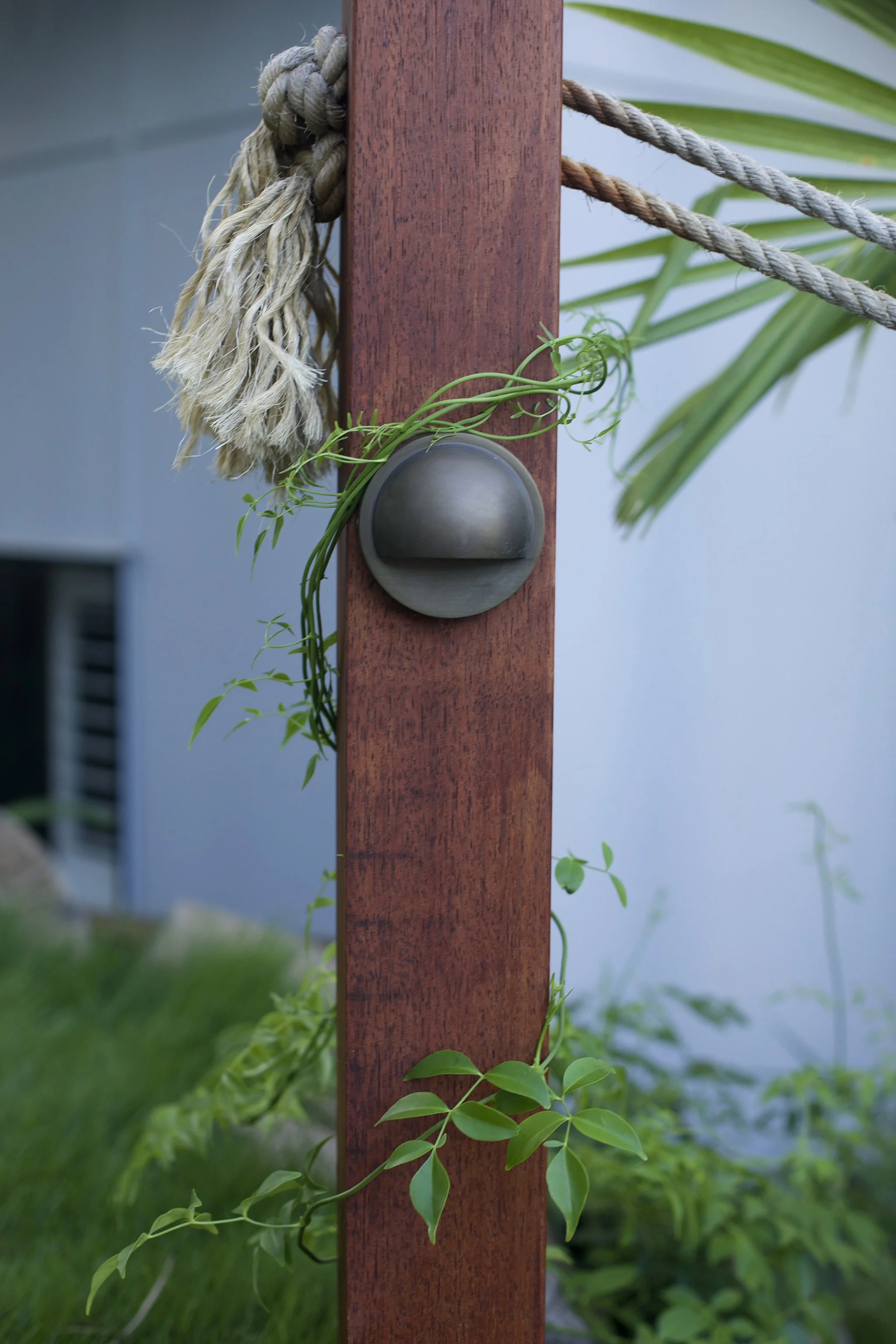
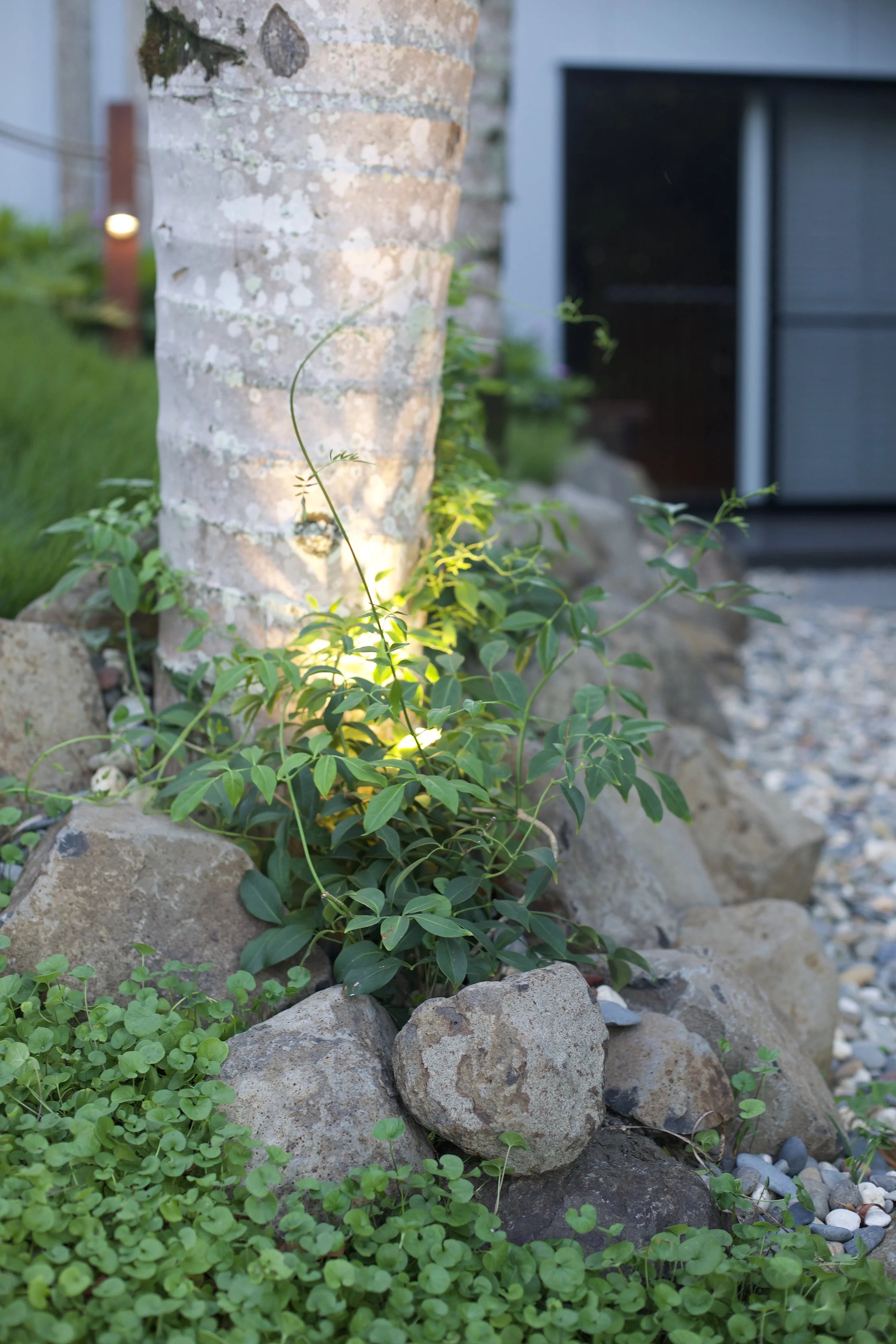
Pandorea
A vigorous, flowering climber with lush foliage and trumpet‑shaped blooms
Pandorea is a hardy, fast‑growing Australian native climber known for its glossy green foliage and abundant clusters of trumpet‑shaped flowers. It’s ideal for covering fences, pergolas, and arbours, bringing softness, colour, and vertical interest to the garden. In SEQ’s warm climate, it thrives with ease and flowers generously through the warmer months.
🧬 Botanical Name
Pandorea jasminoides (and cultivars)
🪴 Common Names
Bower Vine, Bower of Beauty
📏 Size
Height: 3–6 m (can reach 8 m with support)
Width: 1–3 m
Vigorous climbing habit
☀️ Light Requirements
Outdoors (SEQ): Full sun to part shade
Best flowering in full sun
Tolerates part shade but may bloom less heavily
🌱 Soil Needs
Free‑draining, fertile soil
Prefers loamy or sandy mixes
Avoid heavy, waterlogged clay
Benefits from compost and mulch
💧 Watering
Water regularly during establishment
Once established, moderately drought‑tolerant
Water more frequently during hot, dry periods
Signs of underwatering: reduced flowering, leaf drop Signs of overwatering: yellowing leaves, root stress
🌿 Growth Habit
Vigorous climber with twining stems
Glossy, deep‑green foliage
Trumpet‑shaped flowers in white, pink, or blush tones
Flowers mainly spring to autumn in SEQ
✂️ Maintenance Level
Low to moderate
Prune after flowering to maintain shape
Can be trained onto trellises, fences, and pergolas
Feed in spring with a balanced slow‑release fertiliser
🌤️ Seasonal Performance (SEQ)
Thrives in warm, humid conditions
Flowers prolifically in spring and summer
Evergreen in SEQ
Handles coastal exposure well
⭐ Special Care Notes
Provide strong support for climbing
Mulch well to retain moisture
Avoid heavy pruning into old wood
Great for screening and softening structures
🏡 Where It Works Best
Fences and boundary lines
Pergolas and arbours
Trellises and vertical frames
Coastal and subtropical gardens
Courtyards needing vertical greenery
🚫 Common Mistakes to Avoid
Planting in deep shade → reduced flowering
Overwatering → root issues
Letting it grow unsupported → tangled growth
Hard pruning into old wood → slow regrowth