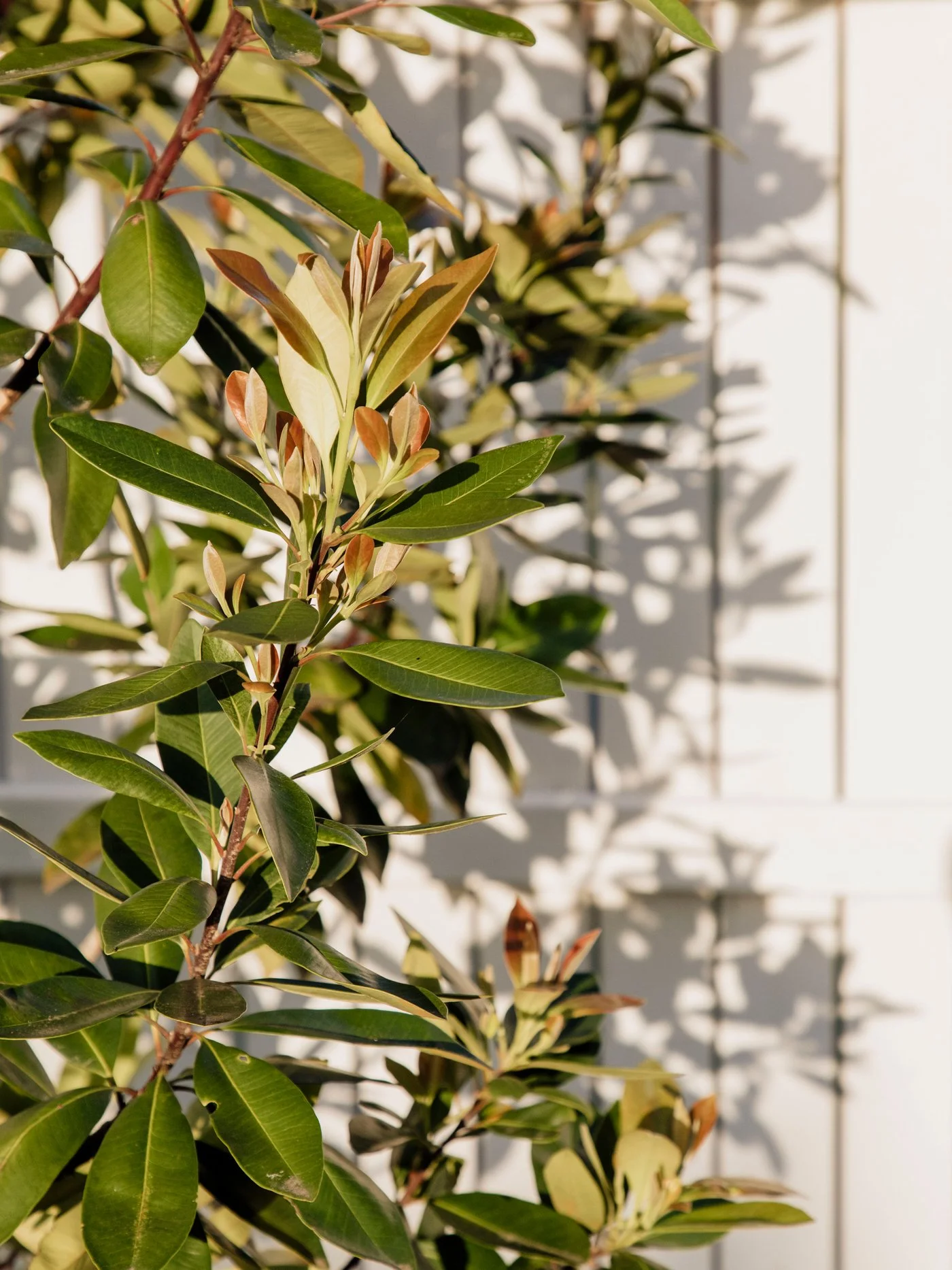
Watergum
A hardy, evergreen native perfect for structured, low‑maintenance planting
The Watergum is a reliable Australian native tree known for its neat form, glossy foliage, and year‑round greenery. It’s an excellent choice for creating structure in the garden — whether as a feature tree, screening plant, or part of a layered native palette. In SEQ’s warm climate, it thrives with minimal care and adapts well to a wide range of conditions.
🧬 Botanical Name
Tristaniopsis laurina
🪴 Common Names
Watergum, Kanooka
📏 Size
Height: 6–12 m (smaller in gardens)
Width: 3–5 m
Upright, rounded canopy with dense foliage
☀️ Light Requirements
Outdoors (SEQ): Full sun to part shade
Best growth and form in full sun
Tolerates part shade but may grow more open
🌱 Soil Needs
Adaptable to most soil types
Prefers free‑draining, slightly acidic soil
Benefits from organic matter and mulching
Tolerates occasional wet conditions
💧 Watering
Water regularly during establishment
Once established, drought‑tolerant
Water more frequently during extended dry periods
Signs of underwatering: leaf curl or browning edges Signs of overwatering: yellowing leaves, poor vigour
🌿 Growth Habit
Upright, rounded tree
Dense, glossy foliage
Produces small, fragrant yellow flowers in summer
Attractive, flaking bark adds interest
✂️ Maintenance Level
Low
Prune lightly to shape if needed
Remove lower branches for a more elevated canopy
Feed in spring with a native‑safe fertiliser
🌤️ Seasonal Performance (SEQ)
Thrives in warm, humid conditions
Evergreen year‑round
Flowers in summer
Handles coastal conditions and urban environments well
⭐ Special Care Notes
Mulch well to retain moisture
Avoid high‑phosphorus fertilisers
Great for stabilising banks or creek edges
Responds well to light shaping
🏡 Where It Works Best
Feature tree for small to medium gardens
Screening or boundary planting
Native and subtropical garden designs
Street or driveway planting
Around patios or courtyards for shade
🚫 Common Mistakes to Avoid
Planting in deep shade → sparse growth
Overwatering in heavy clay → root issues
Using high‑phosphorus fertiliser → nutrient stress