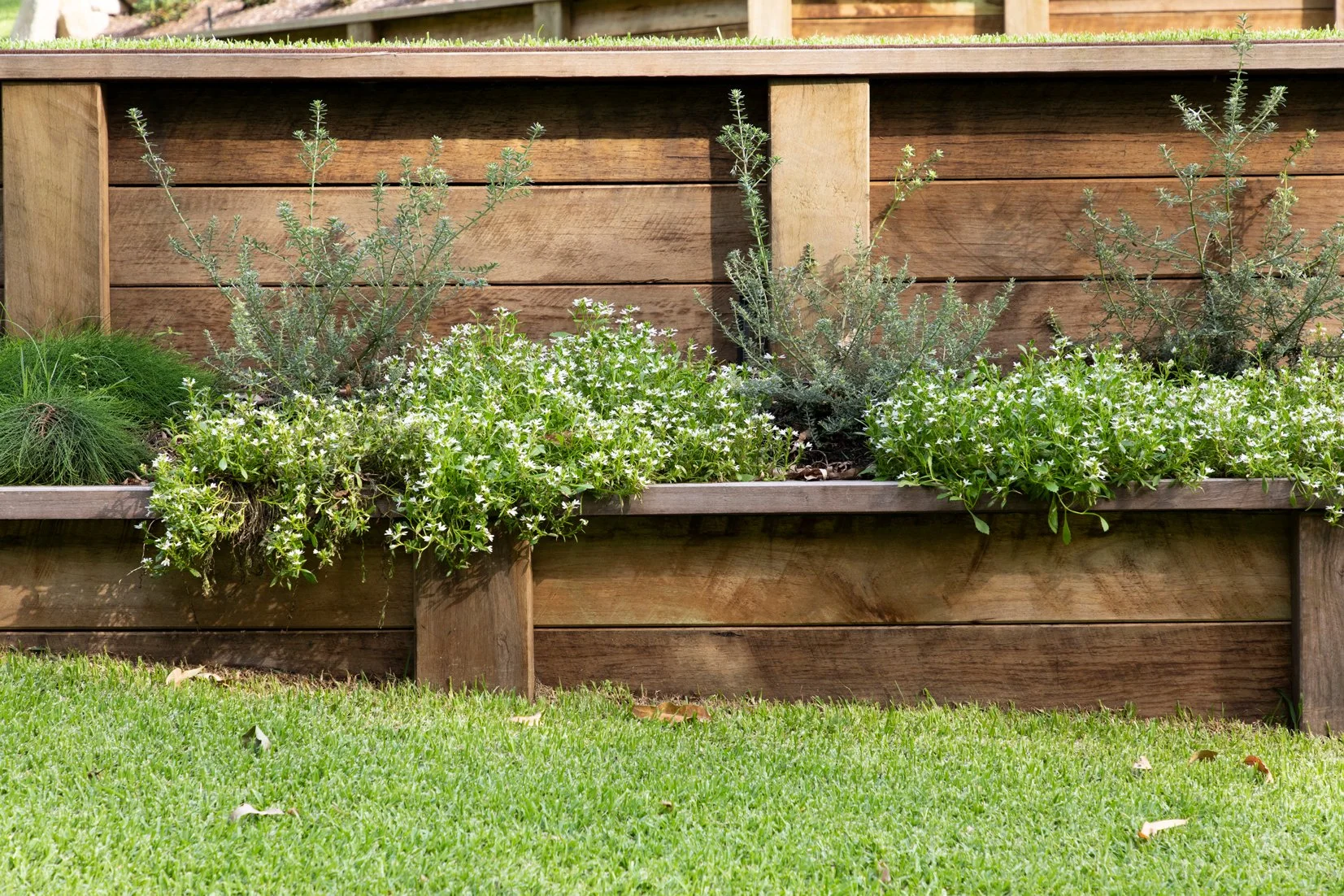
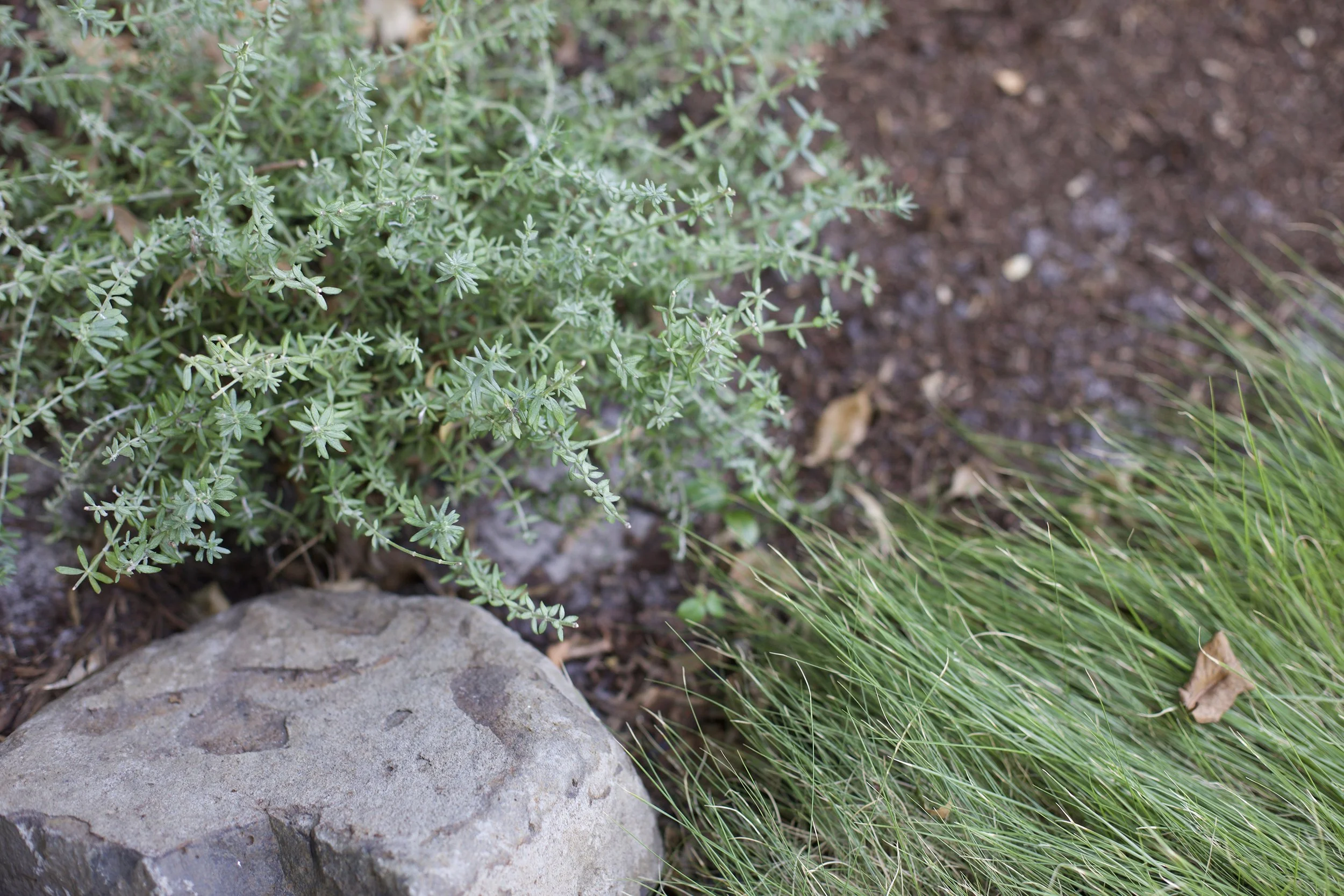
Westringia ‘Zena’
A compact, coastal‑tough native shrub with soft grey‑green foliage
Coastal Rosemary is a hardy, compact Australian native ideal for low‑maintenance, structured planting. With its fine grey‑green foliage and soft lilac flowers, it brings texture and calmness to modern, coastal, and native gardens. In SEQ’s warm climate, it thrives with minimal care and handles heat, humidity, and salt exposure with ease.
🧬 Botanical Name
Westringia fruticosa ‘Zena’
🪴 Common Names
Zena Westringia, Coastal Rosemary ‘Zena’
📏 Size
Height: 60–90 cm
Width: 60–90 cm
Naturally compact, rounded form
☀️ Light Requirements
Outdoors (SEQ): Full sun to part shade
Best density and flowering in full sun
Tolerates coastal exposure and reflected heat
🌱 Soil Needs
Free‑draining soil
Tolerates sandy, rocky, and coastal soils
Avoid heavy, waterlogged clay
Benefits from organic matter and mulching
💧 Watering
Water regularly during establishment
Once established, highly drought‑tolerant
Water occasionally in extended dry periods
Signs of underwatering: sparse foliage, reduced flowering Signs of overwatering: yellowing leaves, soft stems
🌿 Growth Habit
Dense, fine‑textured foliage
Naturally rounded, compact shrub
Small lilac‑mauve flowers throughout the year
Excellent for hedging or mass planting
✂️ Maintenance Level
Very low
Light trim 1–2 times per year to maintain shape
Avoid heavy pruning into old wood
Feed lightly in spring with a native‑safe fertiliser
🌤️ Seasonal Performance (SEQ)
Thrives year‑round in warm, coastal conditions
Evergreen in SEQ
Flowers sporadically through most seasons
Handles heat, humidity, and salt spray extremely well
⭐ Special Care Notes
Excellent for coastal and exposed sites
Mulch well to retain moisture
Avoid high‑phosphorus fertilisers
Ideal for low‑maintenance, structured planting
🏡 Where It Works Best
Coastal gardens
Native and subtropical landscapes
Low hedges and borders
Mass planting for texture and structure
Modern, minimal garden designs
🚫 Common Mistakes to Avoid
Overwatering → root issues
Planting in heavy clay → poor performance
Hard pruning into old wood → slow recovery
Deep shade → open, leggy growth