Monstera deliciosa
An iconic tropical with bold, architectural foliage
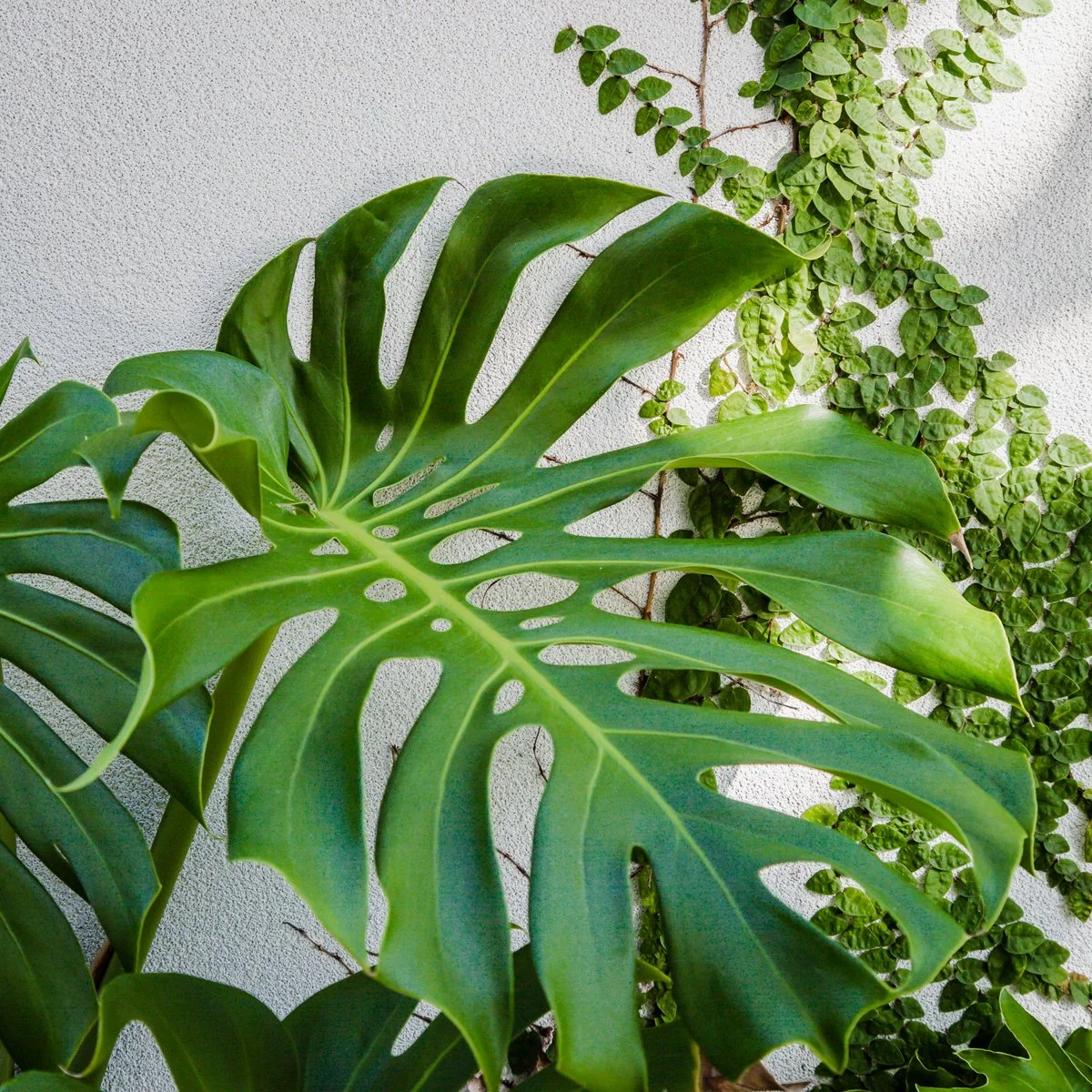
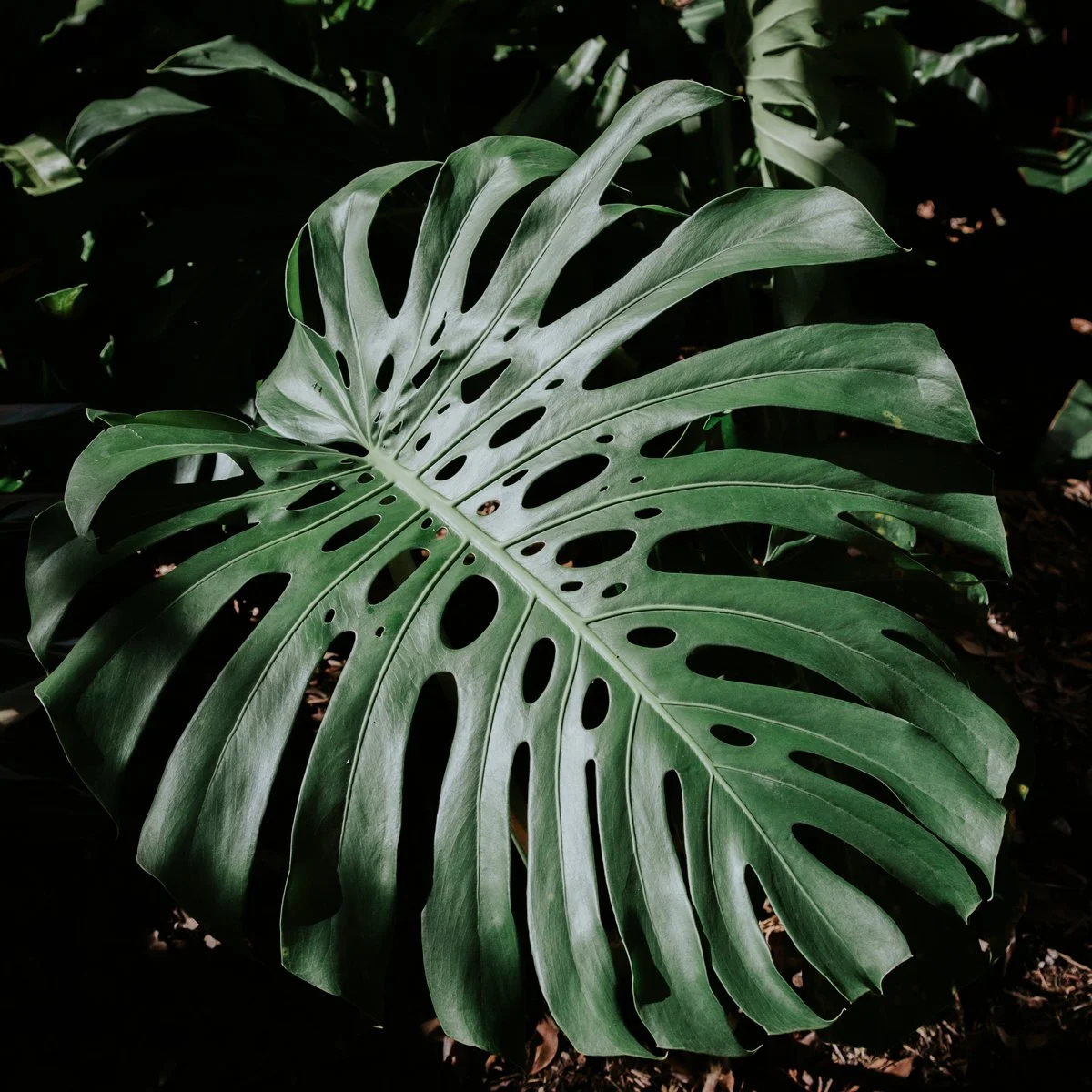
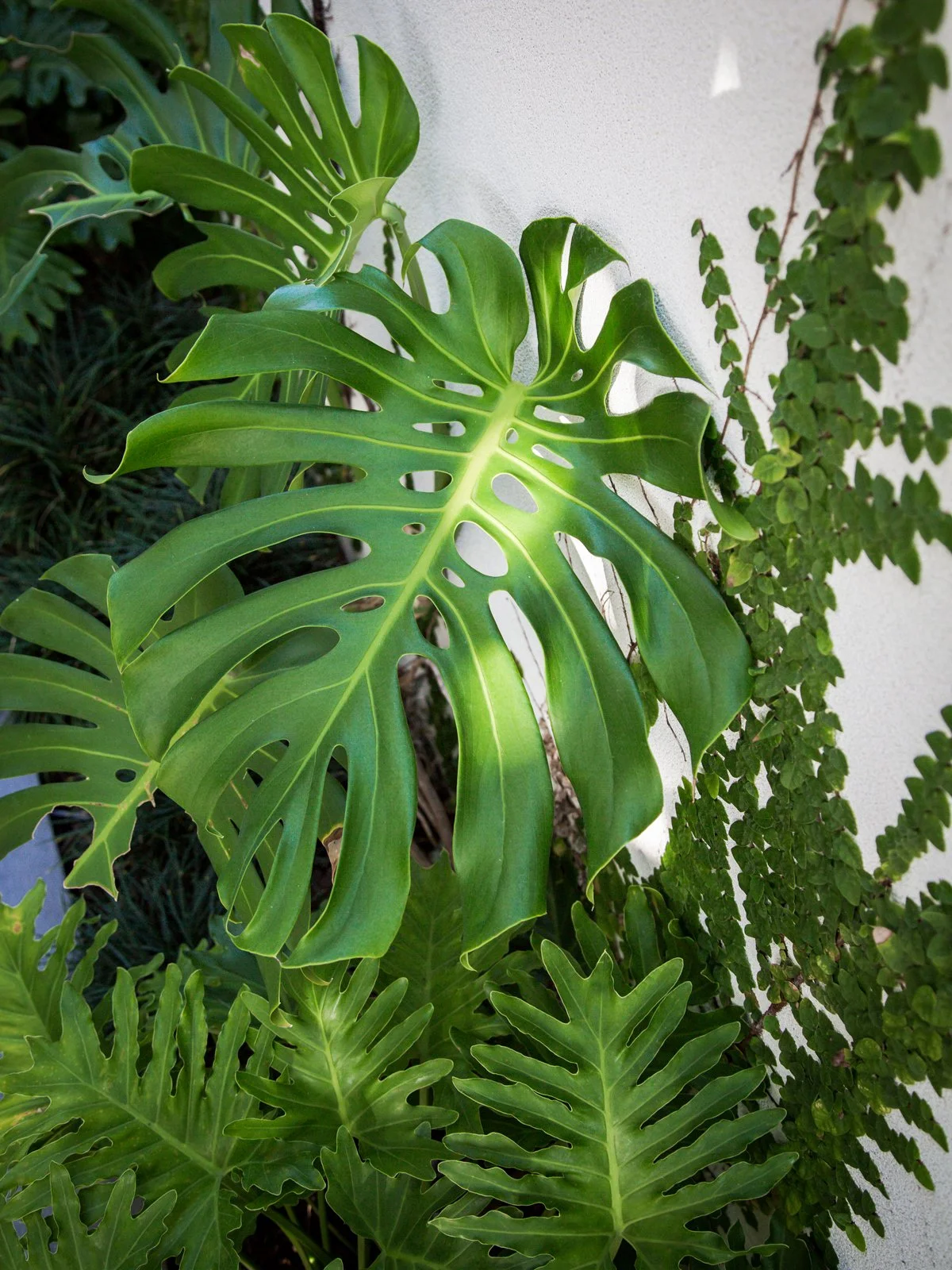
Monstera deliciosa is a true statement plant, instantly creating a lush, resort‑style feel. Its large, fenestrated leaves and strong growth habit make it a favourite for both indoor styling and shaded outdoor gardens. In SEQ’s warm, humid climate, it thrives with minimal effort and quickly becomes a standout feature.
🧬 Botanical Name
Monstera deliciosa
🪴 Common Names
Swiss Cheese Plant, Fruit Salad Plant
📏 Size
Height: 1.5–3 m (larger outdoors)
Width: 1–2 m
Upright, spreading, and naturally climbing
☀️ Light Requirements
Indoors: Bright, indirect light
Outdoors (SEQ): Part shade to dappled shade
Avoid harsh afternoon sun, which can scorch leaves
🌱 Soil Needs
Free‑draining, rich organic mix
Ideal blend: premium potting mix + orchid bark + perlite
Prefers slightly acidic to neutral soil
💧 Watering
Keep soil lightly moist
Allow the top 2–4 cm to dry between waterings
Increase watering in warm months
Appreciates humidity but tolerates normal indoor levels
Signs of underwatering: drooping leaves Signs of overwatering: yellowing leaves, black spotting
🌿 Growth Habit
Climbing aroid with large, split leaves
Produces fenestrations as it matures
Benefits from a totem or support pole
✂️ Maintenance Level
Low
Remove older yellowing leaves
Wipe leaves to maintain shine
Feed every 4–6 weeks in spring and summer
🌤️ Seasonal Performance (SEQ)
Thrives year‑round in subtropical humidity
Strongest growth from spring to early autumn
Protect from cold snaps below 10°C
⭐ Special Care Notes
Provide a support pole for larger, healthier leaves
Avoid waterlogging
Rotate occasionally for even growth
Keep away from direct, harsh sun
🏡 Where It Works Best
Indoor feature plant
Shaded patios and verandas
Tropical garden beds
Large decorative pots
🚫 Common Mistakes to Avoid
Too much direct sun → scorched leaves
Heavy, compacted soil → root rot
Very low light → small, non‑fenestrated leaves
Overwatering → yellowing foliage