Native Viola
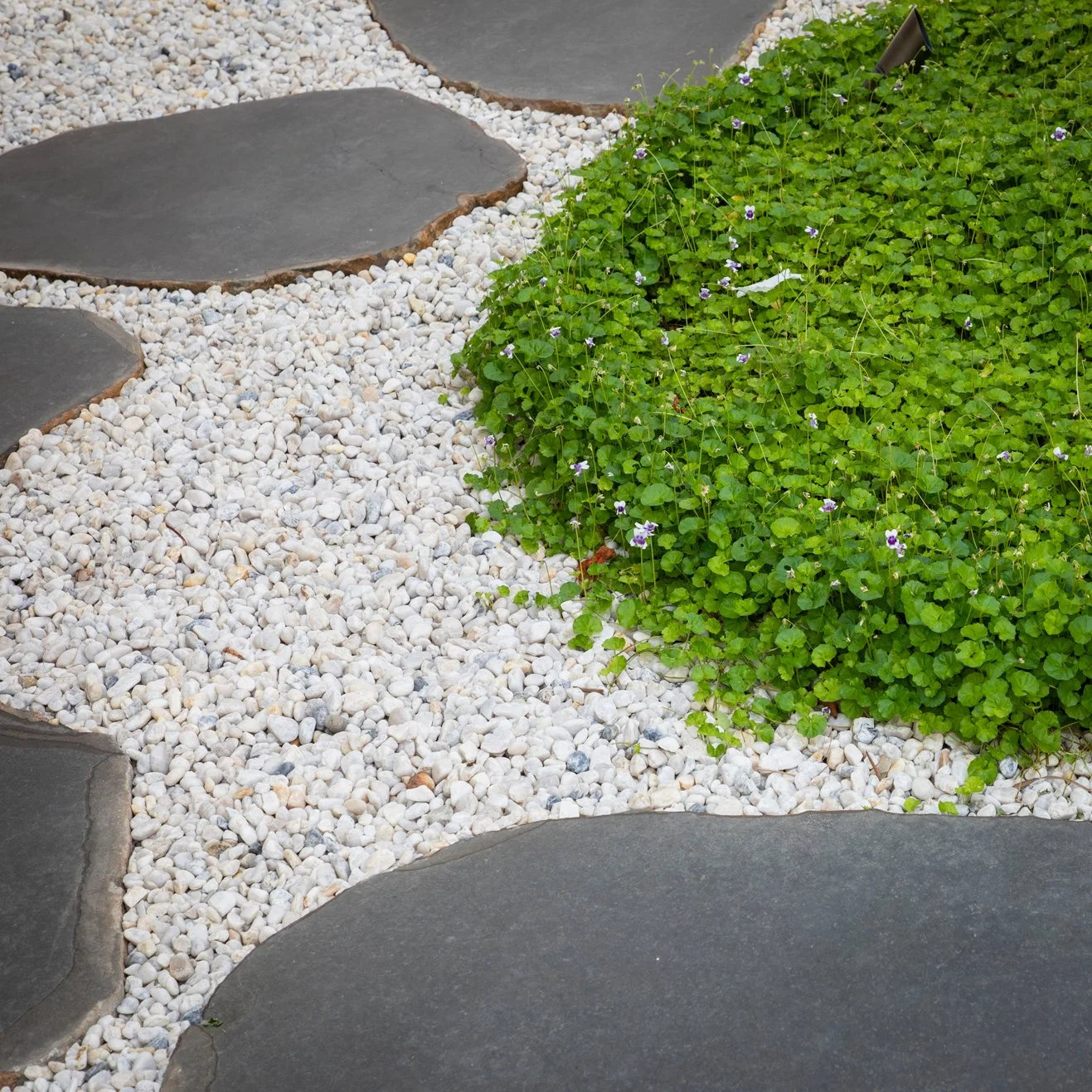
A delicate, low‑growing native groundcover with soft purple blooms
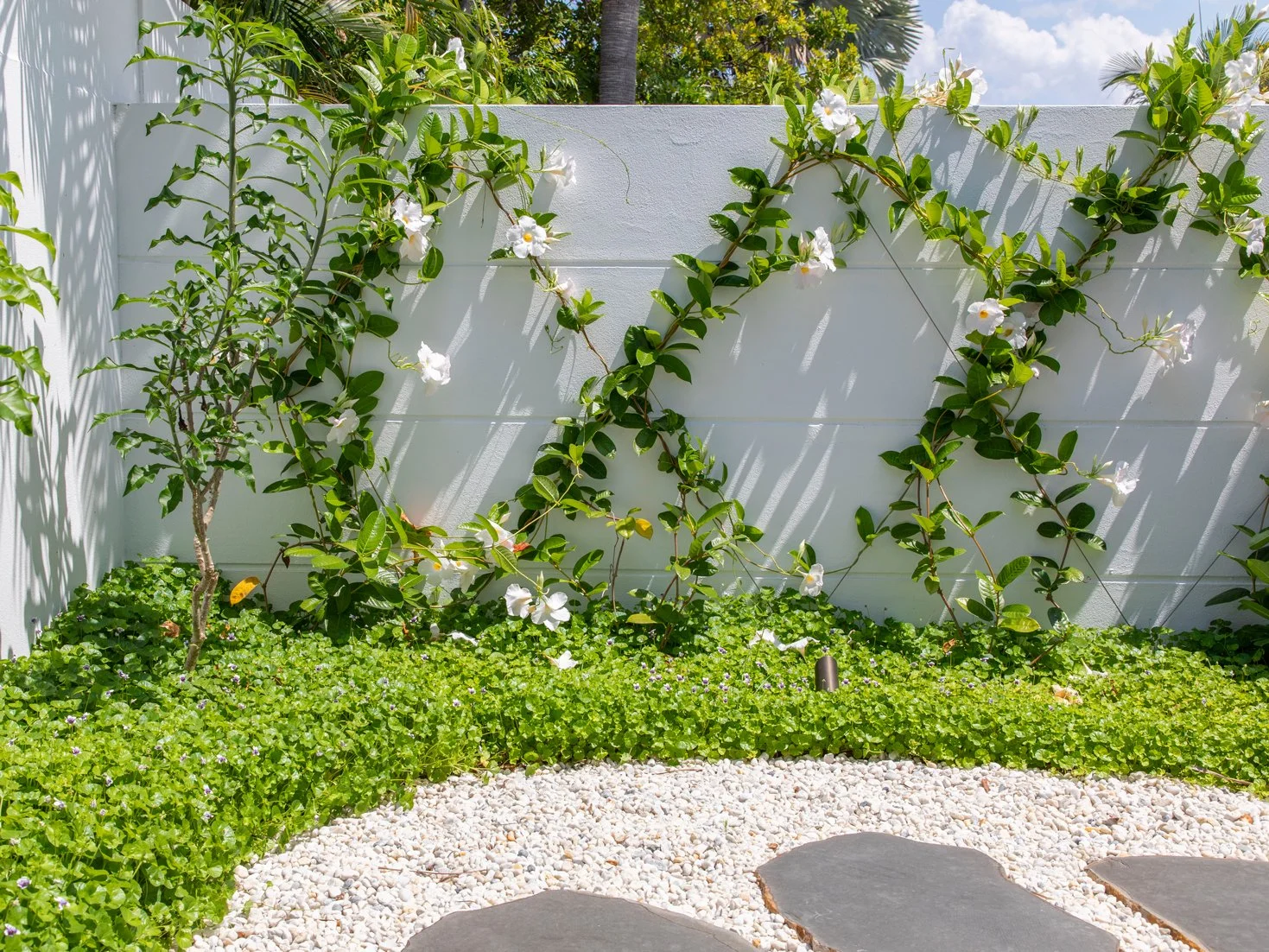
Native Viola is a charming, shade‑loving Australian groundcover known for its dainty heart‑shaped leaves and small purple or mauve flowers. It brings softness, colour, and a natural woodland feel to shaded gardens. In SEQ’s warm climate, it thrives in moist, protected spots and is perfect for filling gaps, softening edges, and adding gentle texture.
🧬 Botanical Name
Viola hederacea
🪴 Common Names
Native Violet, Australian Violet
📏 Size
Height: 5–10 cm
Spread: 50–100 cm
Low, creeping, mat‑forming habit
☀️ Light Requirements
Outdoors (SEQ): Part shade to deep shade
Prefers cool, protected positions
Avoid harsh direct sun, which can scorch leaves
🌱 Soil Needs
Moist, free‑draining soil
Prefers rich organic matter
Tolerates clay if drainage is improved
Mulch lightly to retain moisture
💧 Watering
Keep soil consistently moist
Water more frequently in warm or dry periods
Avoid letting soil dry out completely
Signs of underwatering: wilting, crisping leaves Signs of overwatering: yellowing foliage, root stress
🌿 Growth Habit
Creeping, spreading groundcover
Soft green, heart‑shaped leaves
Small purple and white flowers throughout the year
Excellent for softening pathways and shaded beds
✂️ Maintenance Level
Very low
Trim lightly to control spread if needed
Feed in spring with a gentle organic fertiliser
Remove any damaged or yellowing leaves
🌤️ Seasonal Performance (SEQ)
Thrives in warm, humid conditions
Evergreen in SEQ
Flowers sporadically year‑round
Strongest growth from spring to early autumn
⭐ Special Care Notes
Ideal for shaded, moist gardens
Great between stepping stones (light traffic only)
Mulch to keep roots cool
Avoid full sun exposure
🏡 Where It Works Best
Shaded garden beds
Understory planting beneath trees
Between stepping stones
Edges of pathways and patios
Moist, protected courtyard gardens
🚫 Common Mistakes to Avoid
Planting in full sun → leaf burn
Allowing soil to dry out → wilting and dieback
Heavy foot traffic → damage to foliage
Overwatering in dense soil → root rot