Licuala Elegans
A stunning, slow‑growing palm with perfectly pleated fan leaves
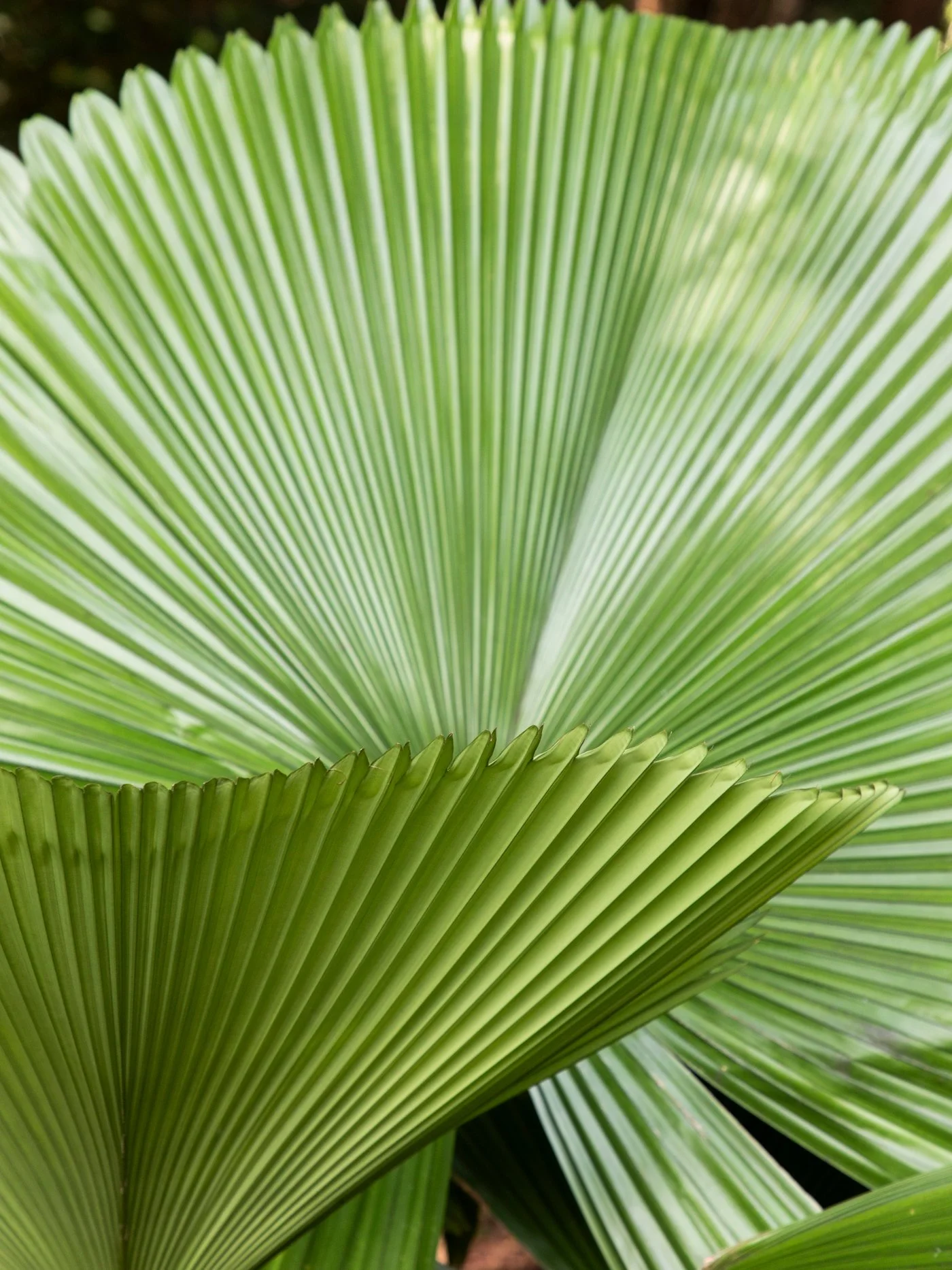
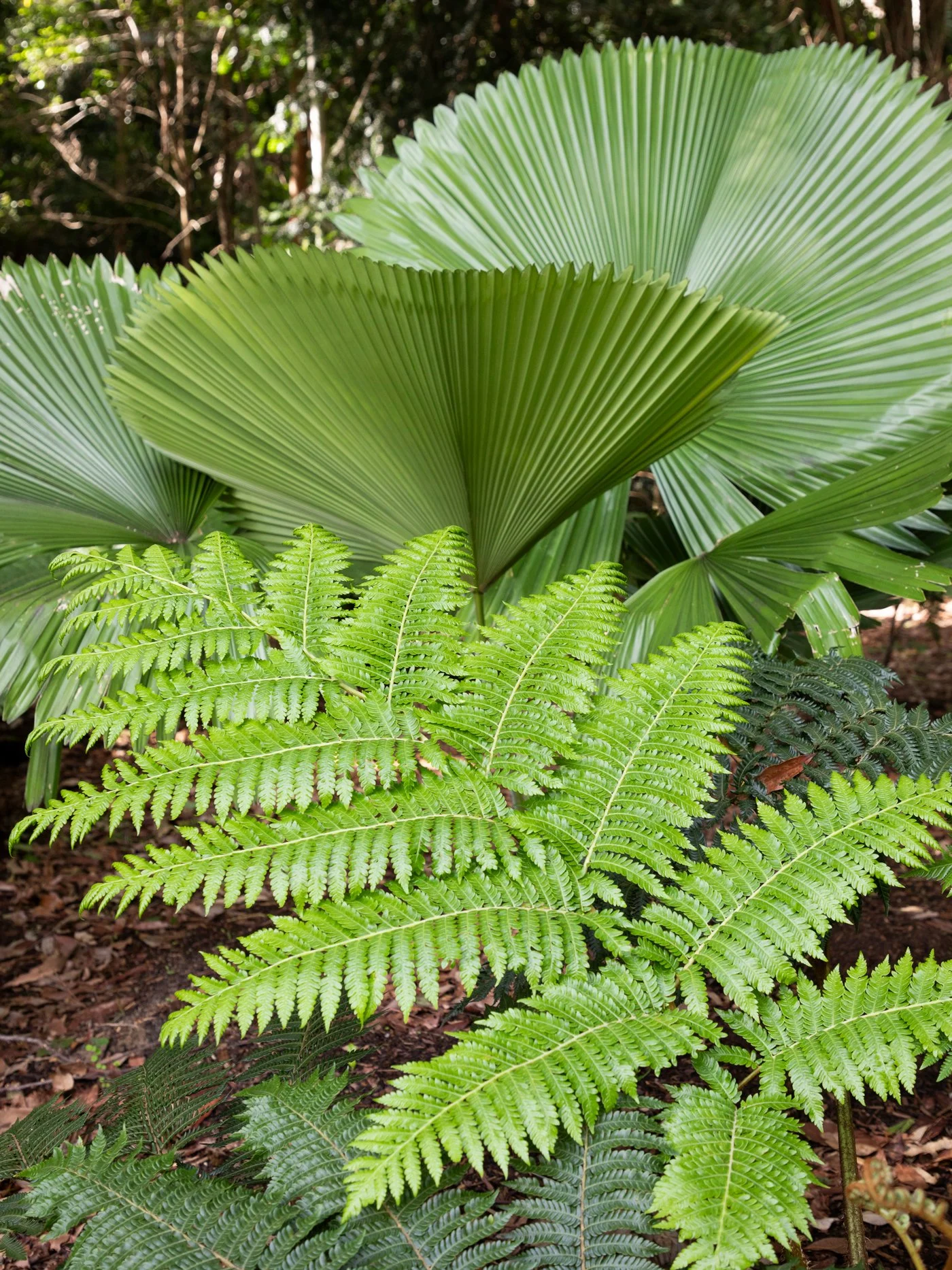
Licuala elegans is one of the most beautiful understory palms, prized for its circular, pleated fan leaves and elegant, compact form. It brings a refined, tropical look to shaded gardens and indoor spaces. In SEQ’s warm, humid climate, it thrives when given protection, moisture, and gentle filtered light.
🧬 Botanical Name
Licuala elegans
🪴 Common Names
Elegant Fan Palm, Ruffled Fan Palm
📏 Size
Height: 1–2 m
Width: 1–1.5 m
Slow‑growing, compact, and clumping
☀️ Light Requirements
Indoors: Bright, indirect light
Outdoors (SEQ): Part shade to deep filtered shade
Avoid direct sun — leaves scorch easily
🌱 Soil Needs
Free‑draining, rich organic soil
Ideal blend: premium potting mix + compost + orchid bark
Prefers consistently moist, well‑mulched soil
💧 Watering
Keep soil evenly moist
Allow the top 2–3 cm to dry slightly between waterings
Increase watering in warm months
Loves humidity — thrives naturally in SEQ
Signs of underwatering: browning or crisping leaf edges Signs of overwatering: yellowing leaves, soft stems
🌿 Growth Habit
Compact, clumping palm
Perfectly pleated, circular fan leaves
Slow but steady growth in warm conditions
Creates a lush, architectural focal point
✂️ Maintenance Level
Low
Remove old or damaged leaves at the base
Wipe indoor leaves to remove dust
Feed every 4–6 weeks in spring and summer with a gentle liquid fertiliser
🌤️ Seasonal Performance (SEQ)
Thrives in warm, humid conditions
Best growth from spring to early autumn
Protect from cold snaps below 10–12°C
Sensitive to wind and direct sun
⭐ Special Care Notes
Keep sheltered from wind — leaves tear easily
Maintain consistent moisture and humidity
Mulch well to keep roots cool
Avoid harsh fertilisers — prefers gentle feeding
🏡 Where It Works Best
Shaded patios and verandas
Tropical understory planting
Indoor feature palm
Courtyards protected from wind
Decorative pots for refined styling
🚫 Common Mistakes to Avoid
Too much direct sun → scorched leaves
Dry soil → browning and stress
Wind exposure → torn fronds
Heavy, waterlogged soil → root rot