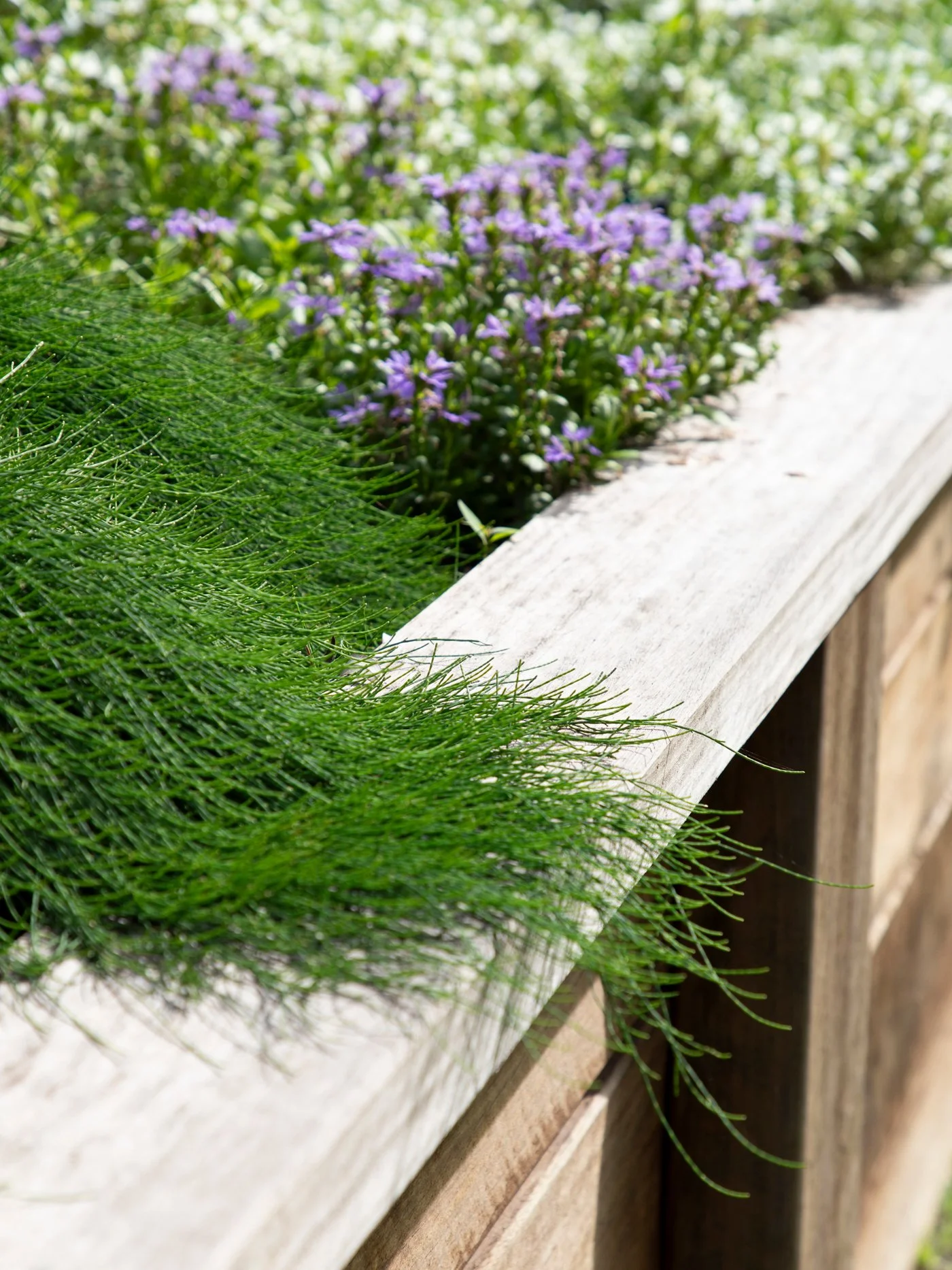
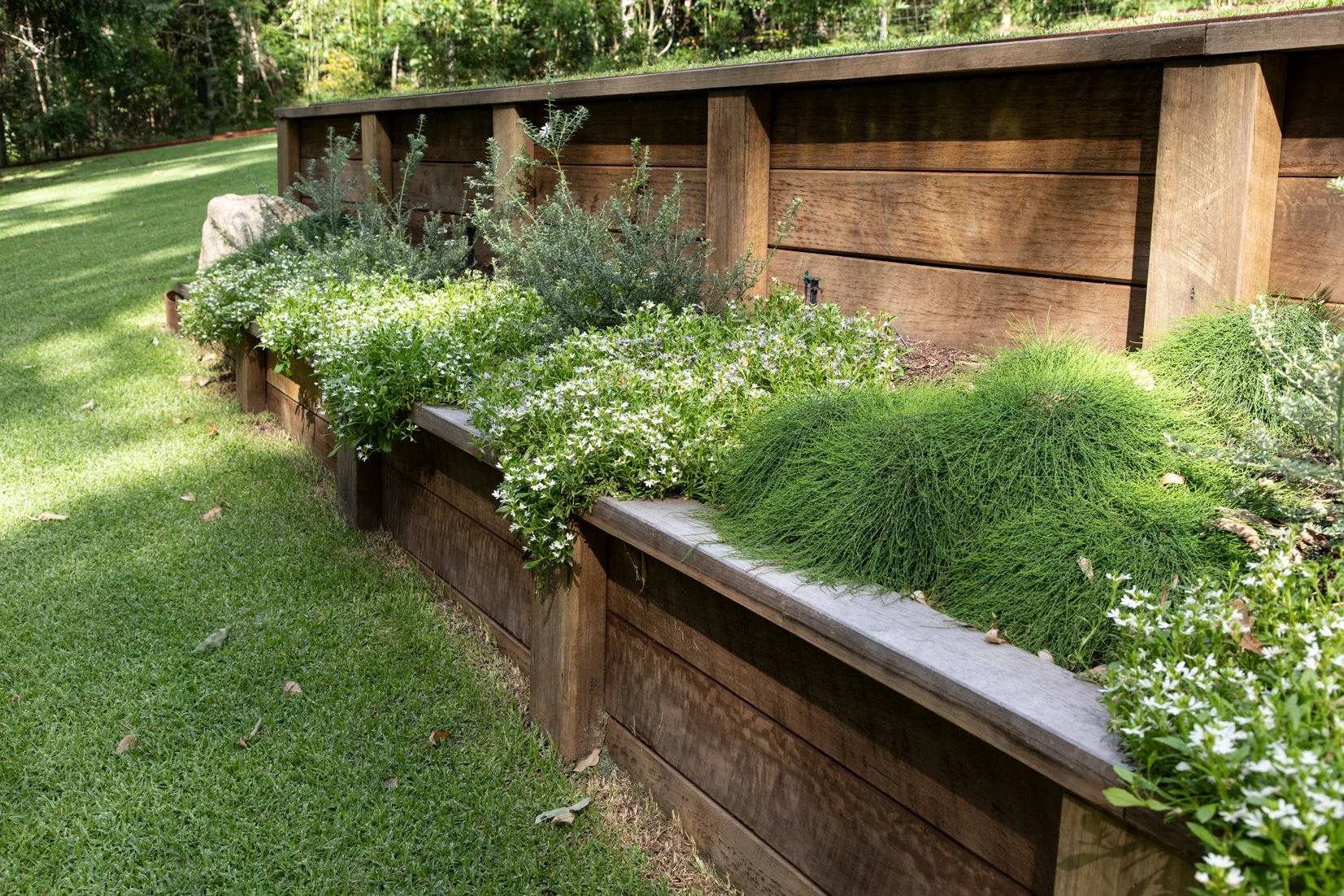
Casuarina ‘Cousin It’
A dense, cascading groundcover with soft, flowing foliage
Casuarina ‘Cousin It’ is a unique, low‑growing Australian native known for its fine, trailing foliage that forms a soft, flowing carpet. It brings movement, texture, and a sculptural quality to modern, coastal, and native gardens. In SEQ’s warm climate, it thrives with minimal care and is especially striking when used on slopes, retaining walls, and as a living groundcover.
🧬 Botanical Name
Casuarina glauca ‘Cousin It’
🪴 Common Names
Cousin It, Shagpile Plant, Prostrate Casuarina
📏 Size
Height: 10–20 cm
Spread: 1–2 m
Dense, trailing, ground‑hugging habit
☀️ Light Requirements
Outdoors (SEQ): Full sun to part shade
Best density and coverage in full sun
Tolerates coastal exposure and reflected heat
🌱 Soil Needs
Free‑draining soil
Tolerates sandy, rocky, and coastal soils
Avoid heavy, waterlogged clay
Benefits from organic matter and mulch
💧 Watering
Water regularly during establishment
Once established, highly drought‑tolerant
Water occasionally in extended dry periods
Signs of underwatering: thinning or patchy growth Signs of overwatering: yellowing stems, root issues
🌿 Growth Habit
Fine, hair‑like foliage
Dense, cascading, ground‑hugging form
Excellent for spillover planting
Creates a soft, sculptural effect in the landscape
✂️ Maintenance Level
Very low
Trim lightly if needed to control spread
Feed in spring with a native‑safe fertiliser
Remove any dead or damaged sections
🌤️ Seasonal Performance (SEQ)
Thrives year‑round in warm conditions
Evergreen in SEQ
Handles heat, humidity, and coastal exposure
Strongest growth from spring to early autumn
⭐ Special Care Notes
Excellent for erosion control on slopes
Avoid high‑phosphorus fertilisers
Mulch lightly to retain moisture
Great for modern, minimal, and native designs
🏡 Where It Works Best
Retaining wall spillovers
Slopes and banks
Coastal gardens
Native and subtropical landscapes
Modern, architectural garden designs
Between stepping stones (light traffic only)
🚫 Common Mistakes to Avoid
Overwatering → root rot
Planting in heavy clay → poor performance
Deep shade → sparse, leggy growth
Expecting it to handle foot traffic → damage