Philodendron Xanadu
A lush, compact philodendron with deeply lobed, architectural foliage
Philodendron Xanadu is a hardy, self‑heading philodendron known for its dense, tropical form and beautifully lobed leaves. It creates instant structure and lushness in both indoor and outdoor settings. In SEQ’s warm climate, it thrives with minimal care and is one of the most reliable foliage plants for layered tropical planting.
🧬 Botanical Name
Philodendron bipinnatifidum ‘Xanadu’
🪴 Common Names
Xanadu Philodendron, Winterbourn Philodendron
📏 Size
Height: 60–120 cm
Width: 90–150 cm
Dense, clumping, self‑heading habit
☀️ Light Requirements
Indoors: Bright, indirect light
Outdoors (SEQ): Part shade to filtered shade
Tolerates morning sun but avoid harsh afternoon sun
🌱 Soil Needs
Free‑draining, rich organic soil
Ideal blend: premium potting mix + compost + chunky aroid components
Prefers slightly acidic to neutral soil
💧 Watering
Keep soil lightly moist
Allow the top 2–3 cm to dry between waterings
Increase watering in warm months
Signs of underwatering: drooping or curling leaves Signs of overwatering: yellowing leaves, soft stems
🌿 Growth Habit
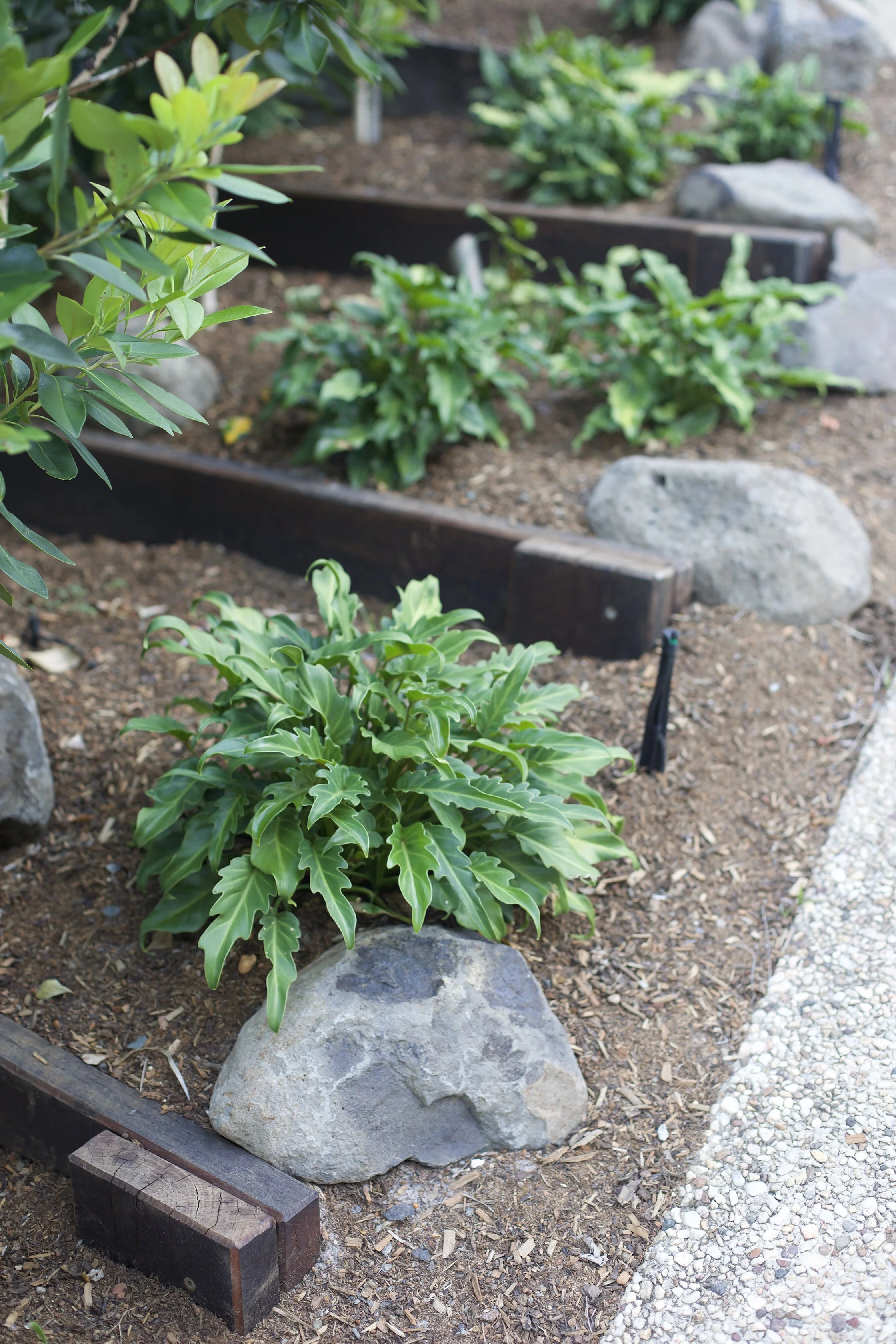
Compact, self‑supporting clump
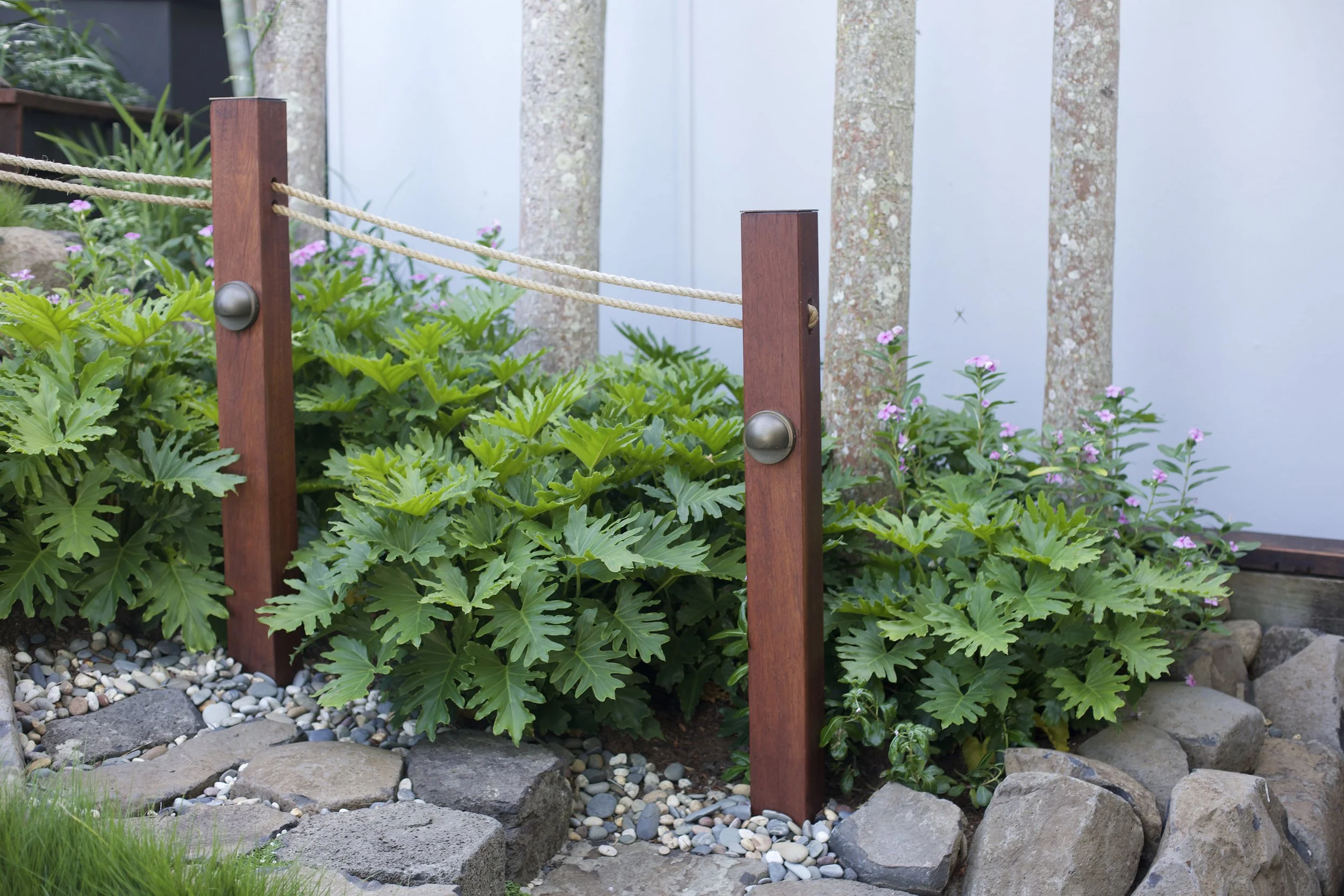
Deeply lobed, glossy green leaves
Naturally forms a rounded, architectural shape
Excellent for filling space in tropical gardens
✂️ Maintenance Level
Low
Remove older yellowing leaves
Feed every 4–6 weeks in spring and summer
Wipe leaves to maintain shine indoors
🌤️ Seasonal Performance (SEQ)
Thrives year‑round in subtropical humidity
Strongest growth from spring to early autumn
Protect from cold snaps below 10°C
⭐ Special Care Notes
Avoid full, harsh sun — can scorch leaves
Provide airflow to prevent fungal spots
Mulch well outdoors to retain moisture
Rotate indoor plants for even growth
🏡 Where It Works Best
Indoor feature plant
Shaded patios and verandas
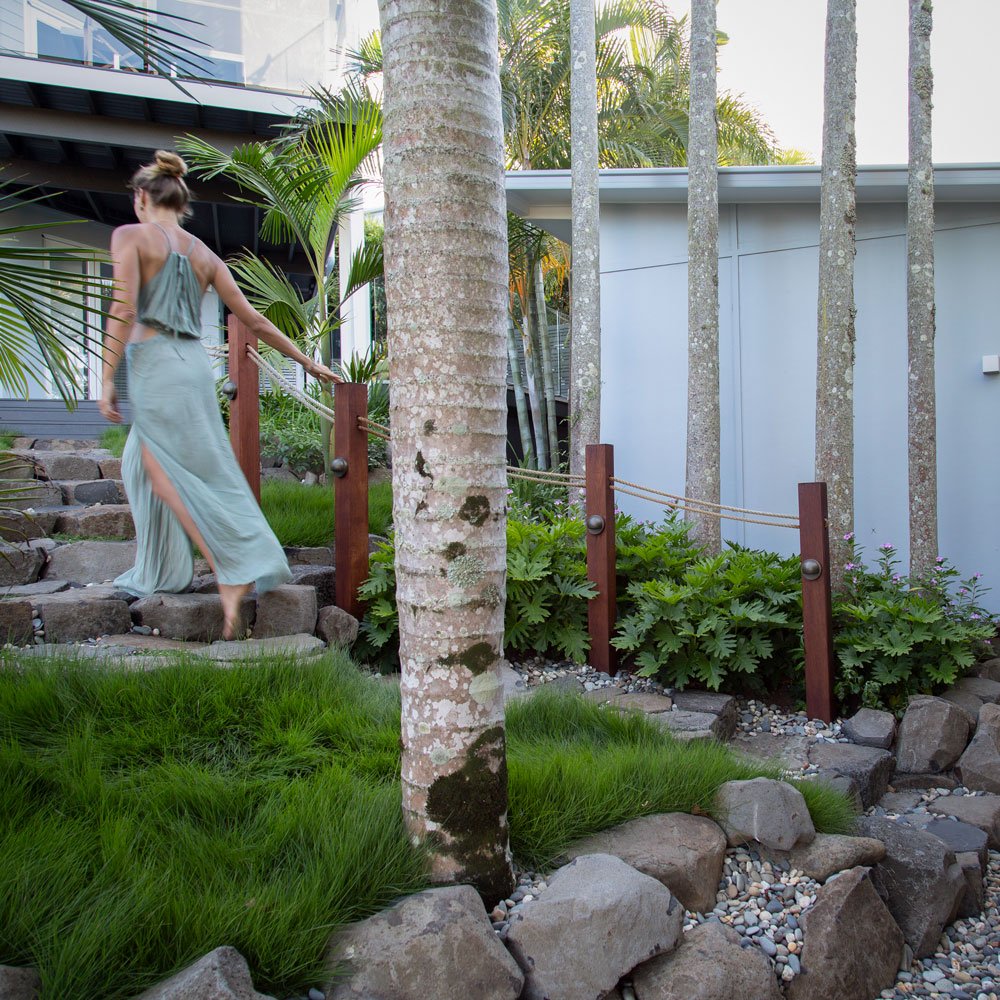
Tropical understory planting
Mass planting for lush, layered texture
Large decorative pots
🚫 Common Mistakes to Avoid
Too much direct sun → scorched leaves
Heavy, soggy soil → root rot
Very low light → leggy, stretched growth
Overfertilising → brown leaf tips