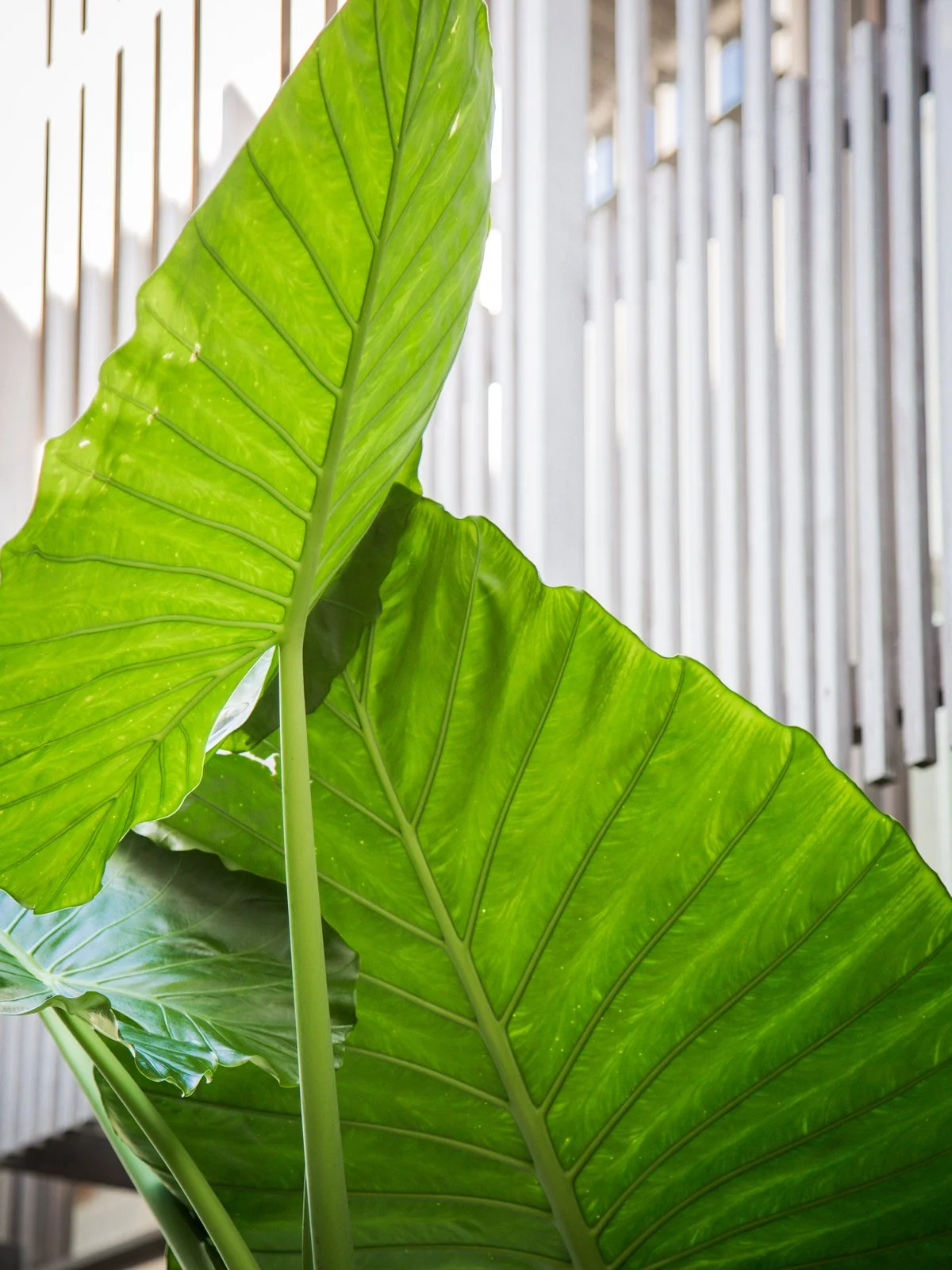
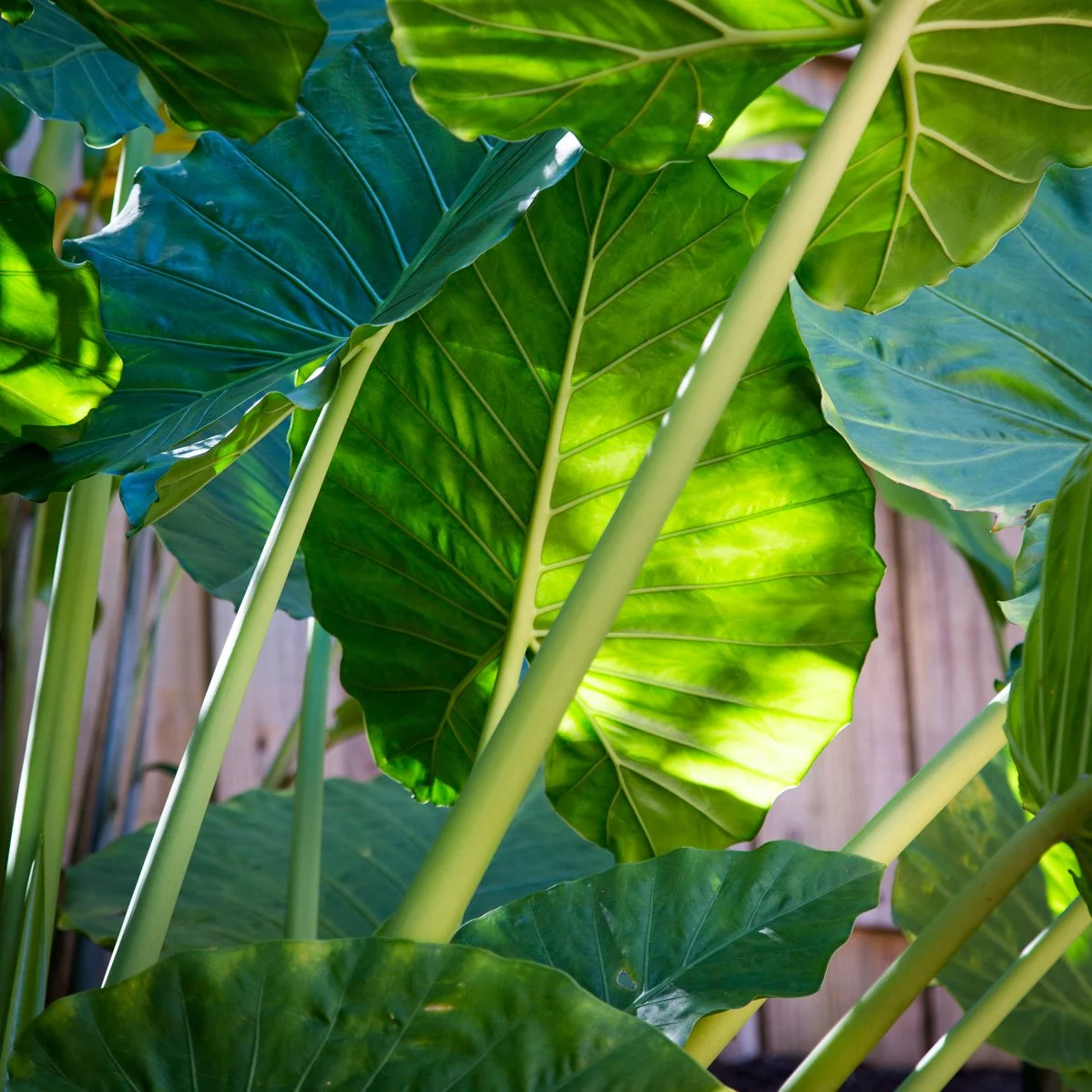
Alocasia ‘Elephant Ear’
A bold, tropical foliage plant with dramatic, oversized leaves
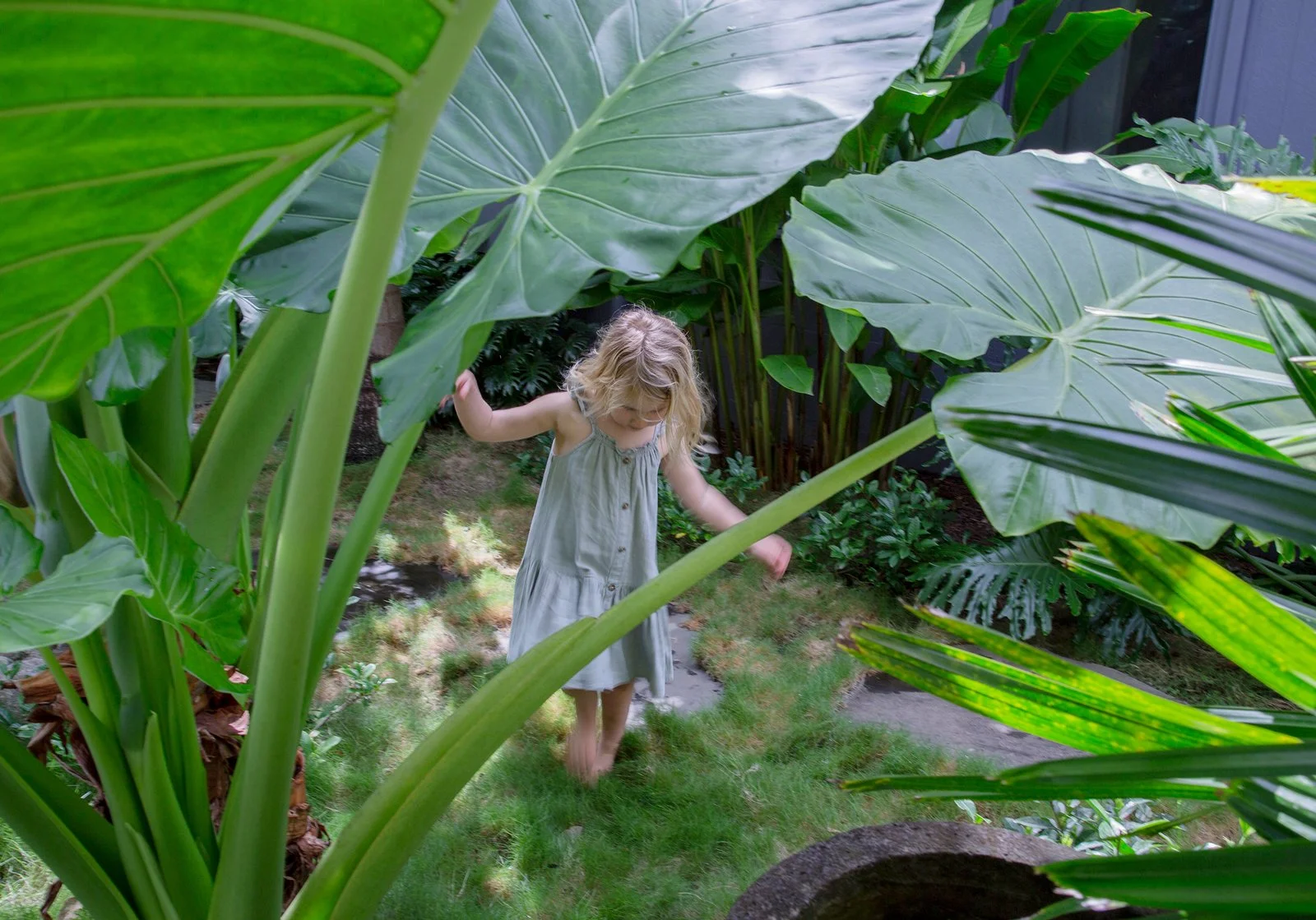
Elephant Ears bring instant impact to any garden with their huge, sculptural leaves and lush, tropical presence. Whether planted in garden beds or large decorative pots, they create a striking focal point and pair beautifully with other broad‑leafed plants. In SEQ’s warm, humid climate, they thrive with ease and deliver year‑round greenery.
🧬 Botanical Name
Alocasia spp. / Colocasia spp. (various species and cultivars)
🪴 Common Names
Elephant Ear, Giant Taro, Alocasia, Colocasia
📏 Size
Height: 1–2 m depending on species
Width: 1–2 m
Upright or spreading habit depending on variety
☀️ Light Requirements
Outdoors (SEQ): Part shade to bright filtered light
Tolerates morning sun
Avoid harsh afternoon sun, which can scorch leaves
🌱 Soil Needs
Rich, free‑draining soil
Loves organic matter and moisture
Ideal blend: premium garden soil + compost + mulch
Some varieties tolerate wetter soils (Colocasia more than Alocasia)
💧 Watering
Keep soil consistently moist
Allow the top few centimetres to dry slightly between waterings
Increase watering in warm months
Signs of underwatering: drooping or curling leaves Signs of overwatering: yellowing leaves, soft stems, root issues
🌿 Growth Habit
Large, dramatic foliage
Upright or slightly arching leaves
Fast‑growing in warm weather
Creates a bold, tropical statement
✂️ Maintenance Level
Low to moderate
Remove old or damaged leaves at the base
Feed every 4–6 weeks in spring and summer
Mulch well to retain moisture
🌤️ Seasonal Performance (SEQ)
Thrives in warm, humid conditions
Strongest growth from spring to autumn
May slow down in winter but remains evergreen in SEQ
Protect from cold snaps below 10°C
⭐ Special Care Notes
Loves moisture and humidity
Avoid strong winds — large leaves can tear
Some varieties prefer slightly wetter soil (Colocasia)
Alocasias prefer more drainage and airflow
🏡 Where It Works Best
Tropical garden beds
Poolside planting
Shaded patios and verandas
Large decorative pots
Layered planting with palms and philodendrons
🚫 Common Mistakes to Avoid
Too much direct sun → scorched leaves
Dry soil → drooping and browning
Heavy, waterlogged soil (for Alocasia) → root rot
Exposed windy positions → torn foliage