Fountain Grass
A soft, textural grass that brings movement and lightness to the garden
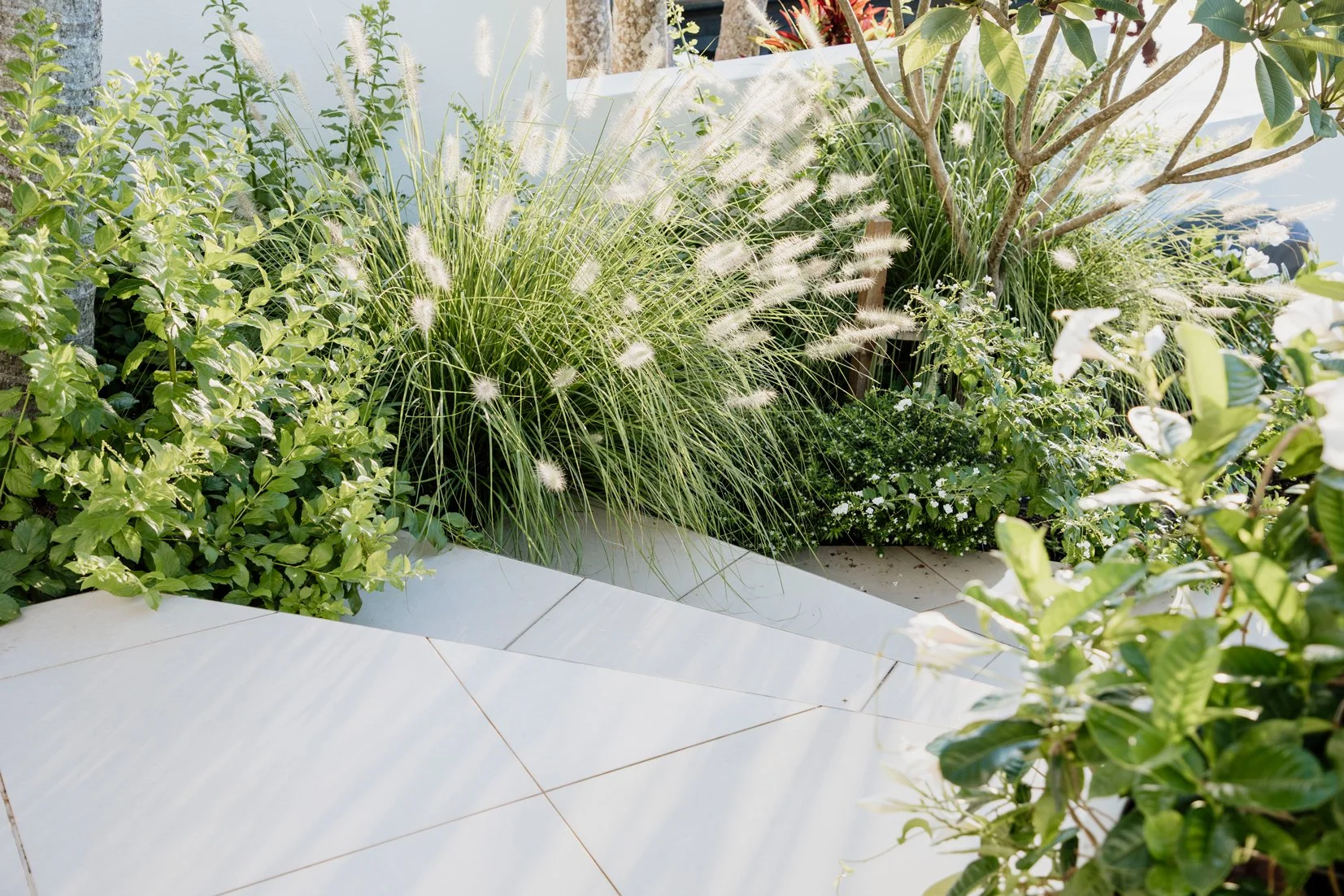
Fountain Grass adds gentle structure and year‑round interest with its arching form and feathery plumes. It’s a versatile, low‑maintenance ornamental grass that works beautifully in layered planting, borders, and modern landscapes. In SEQ’s warm climate, it thrives with very little care and provides reliable texture throughout the seasons.
🧬 Botanical Name
Pennisetum alopecuroides (various cultivars)
🪴 Common Names
Fountain Grass, Chinese Fountain Grass
📏 Size
Height: 60–120 cm depending on variety
Width: 60–90 cm
Graceful, arching, clumping habit
☀️ Light Requirements
Outdoors (SEQ): Full sun to part shade
Best flowering in full sun
Tolerates light shade but may produce fewer plumes
🌱 Soil Needs
Free‑draining soil
Tolerates a wide range of soil types
Prefers enriched, well‑mulched garden beds
Avoid heavy, waterlogged soil
💧 Watering
Water regularly during establishment
Once established, moderately drought‑tolerant
Water more frequently in extreme heat
Signs of underwatering: dry, browning leaf tips Signs of overwatering: limp foliage, poor flowering
🌿 Growth Habit
Dense, arching clump
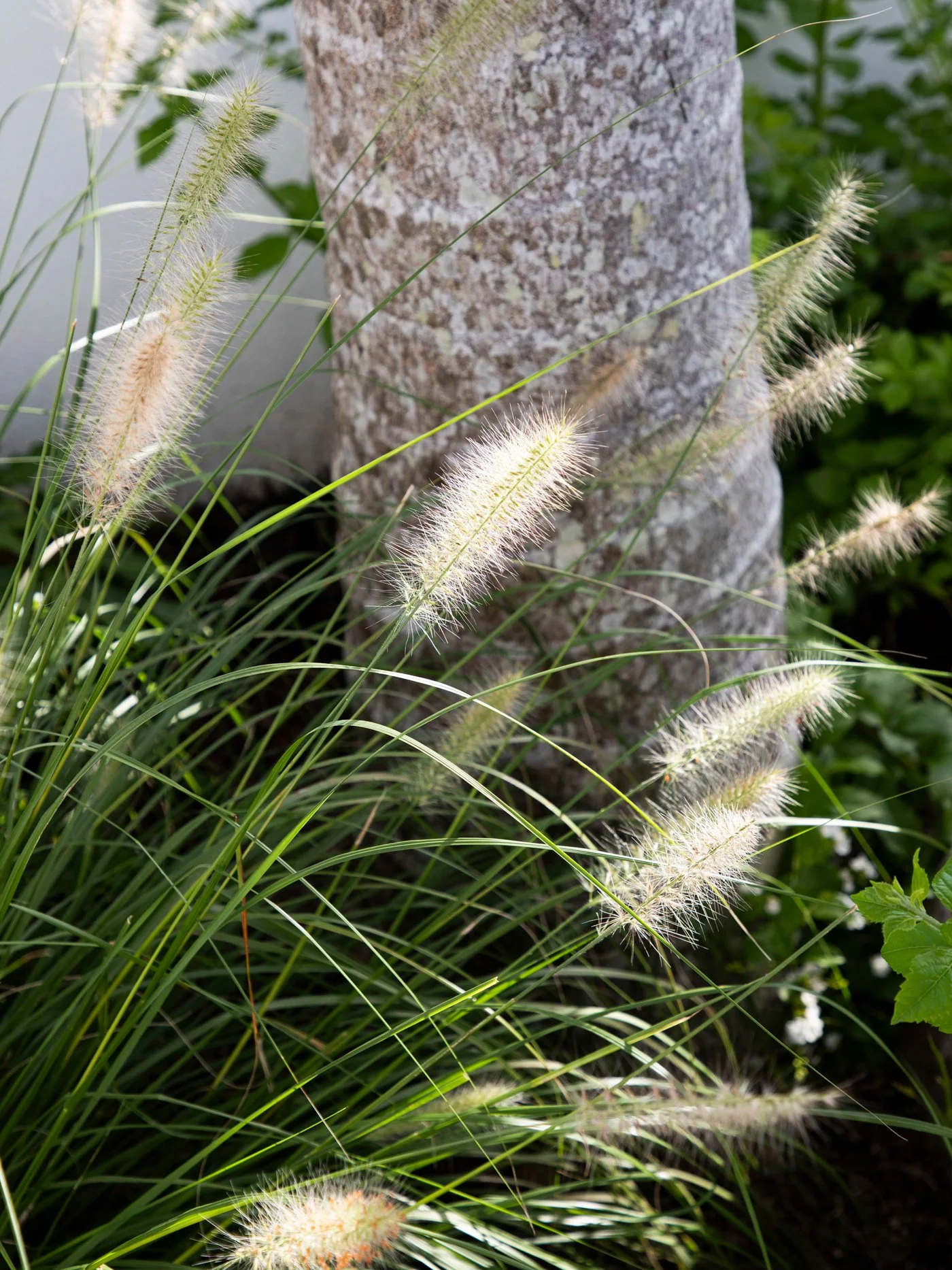
Produces soft, bottlebrush‑like plumes in summer–autumn
Adds movement and texture to garden beds
✂️ Maintenance Level
Low
Cut back hard in late winter to encourage fresh spring growth
Remove spent plumes if desired
Feed lightly in spring with a slow‑release fertiliser
🌤️ Seasonal Performance (SEQ)
Thrives in warm, sunny conditions
Flowers from late spring through autumn
Foliage may thin slightly in winter before reshooting strongly in spring
⭐ Special Care Notes
Mulch well to retain moisture
Divide clumps every few years to maintain vigour
Choose non‑invasive cultivars where possible (many modern varieties are sterile)
🏡 Where It Works Best
Borders and layered garden beds
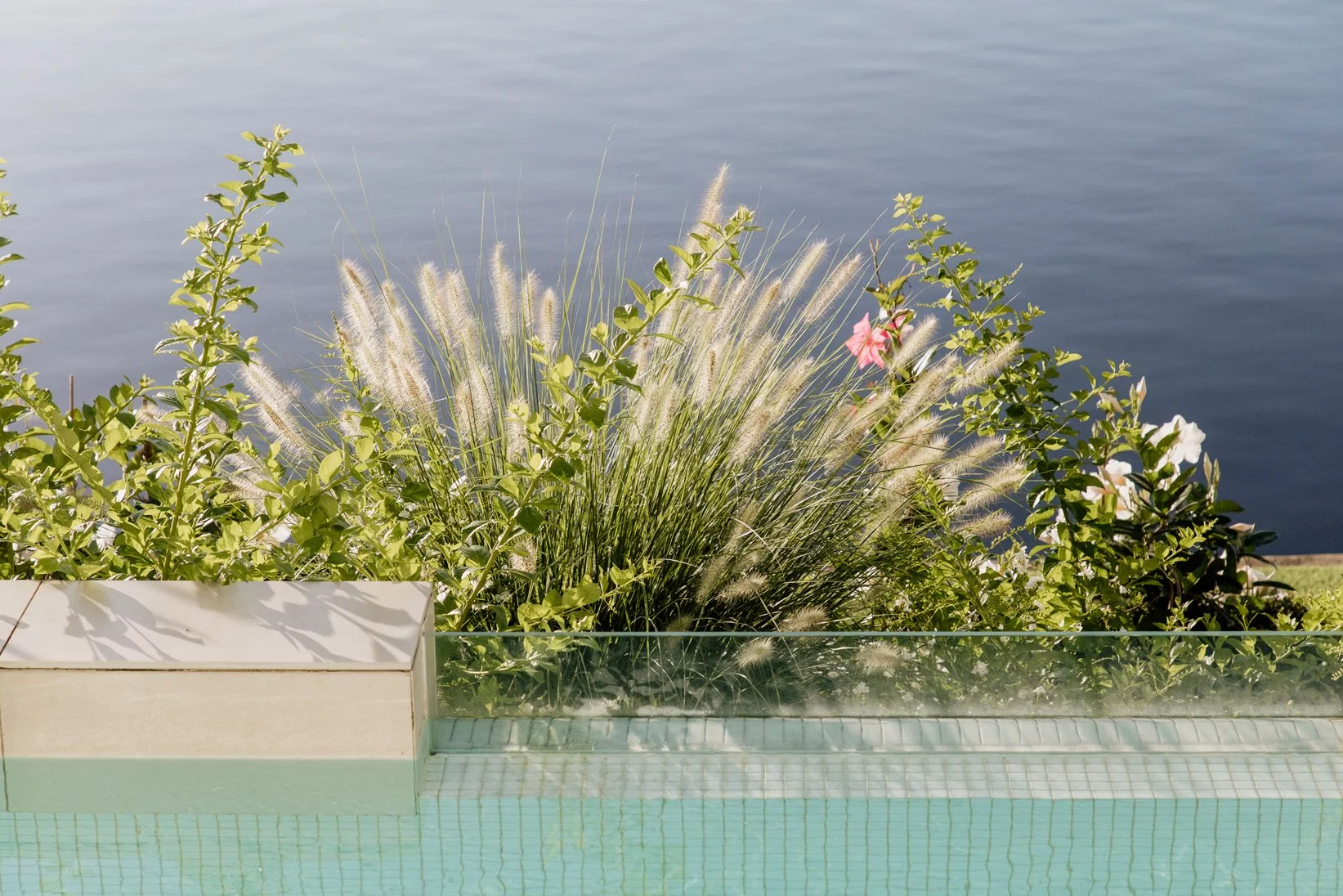
Modern and coastal gardens
Driveway edges and pathways
Mass planting for soft, textural impact
Pots and containers (compact varieties)
🚫 Common Mistakes to Avoid
Too much shade → reduced flowering
Overwatering → root issues and weak growth
Not pruning annually → tired, woody clumps
Planting in soggy soil → poor performance